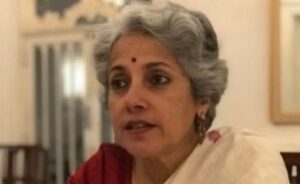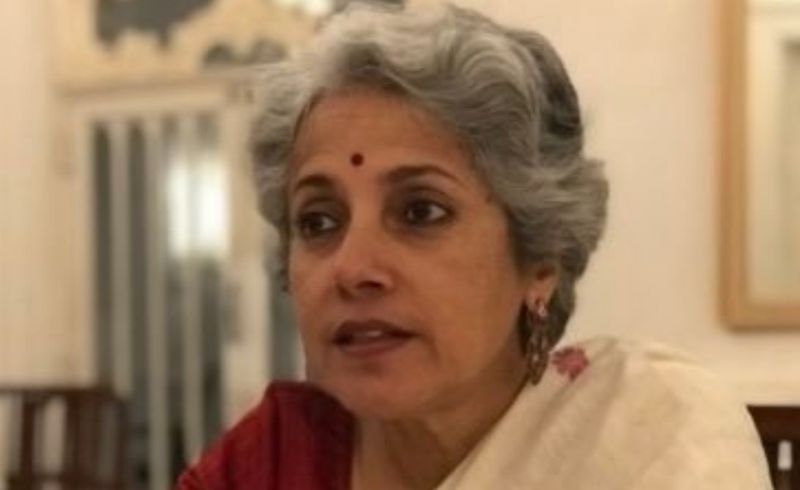

Globally recognised pediatrician and Indian clinical scientist Soumya Swaminathan was on Tuesday elected Fellow of the Royal Society (FRS), the oldest scientific body in the world in continuous existence. She is only the second Indian woman scientist to win this honour after vaccinologist Gagandeep Kang in 2019 who was the first ever Indian woman scientist to become FRS.Also read: Like father like daughter: Soumya Swaminathan elected Fellow of Royal SocietyHere is all about the two achievers:Soumya Swaminathan, ChennaiDaughter of late agriculture scientist MS Swaminathan, Soumya Swaminathan’s research focuses on epidemiology, clinical management, molecular biology of tuberculosis (TB) and HIV. Her three-decade work shaped modern TB diagnostics and treatment guidelines.Formerly DG, ICMR, India’s apex medical research body and the first chief scientist of the WHO, Soumya is known for pioneering research in pediatric tuberculosis. She highlighted progression of the disease in children and established the critical interplay between malnutrition and HIV in patients with TB, bringing attention to the vulnerabilities of marginalised communities.During her tenure as WHO’s first Chief Scientist, Dr Swaminathan established a Science Division focusing on research, quality assurance of norms and standards and digital health. She played a pivotal role in coordinating global scientific efforts and was instrumental in setting up COVAX to ensure equitable vaccine distribution to low and middle-income countries during the COVID-19 pandemic.Since February 2023, Soumya has been the Chair of M S Swaminathan Research Foundation (MSSRF). She is also Principal Advisor to National Tuberculosis Elimination Programme (NTEP), Ministry of Health and Family Welfare, Government of India.Interestingly, Soumya and her father both are elected Fellows of the Royal Society, the only Indian daughter-father duo to earn the recognition.Gagandeep Kang.Gagandeep Kang, ShimlaIn July 2019, Gagandeep Kang became the first woman working in India to be elected to the Royal Society in the 400+ years of its history. She was awarded the fellowship in recognition of her contributions to vaccine development in India and establishment of training programmes in clinical translational medicine.Formerly Executive Director at the Faridabad based Translational Health Science and Technology Institute, Kang, whose family has roots in Punjab’s Samrala, has been the foremost leader in the development of the indigenous rotavirus vaccine currently being used in select states on a pilot basis.The scale of Kang’s work is evident from the fact that the rotavirus vaccine works to prevent several child deaths from diarrhoeal diseases every year.Government data show India loses 1.5 lakh children under five to diarrhoea annually. Of these, 50 percent deaths are due to rotavirus.Previously Professor at Christian Medical College Vellore, Gagandeep Kang is famous in science circles for her interdisciplinary research studying the transmission, development and prevention of enteric infections and their sequelae in children in India.She has also built national rotavirus and typhoid surveillance networks, established laboratories to support vaccine trials and conducted phase 1-3 clinical trials of vaccines, a comprehensive approach that has supported two WHO prequalified vaccines, made by two Indian companies.While the rotavirus vaccine was introduced in the immunisation plan of some states in 2015, the government plans a national rollout soon. The other indigenous vaccine Kang is leading — against typhoid — is under development.Kang’s FRS profile says: “Gagandeep Kang is investigating the complex relationships between infection, gut function and physical and cognitive development, and seeking to build a stronger human immunology research in India.”