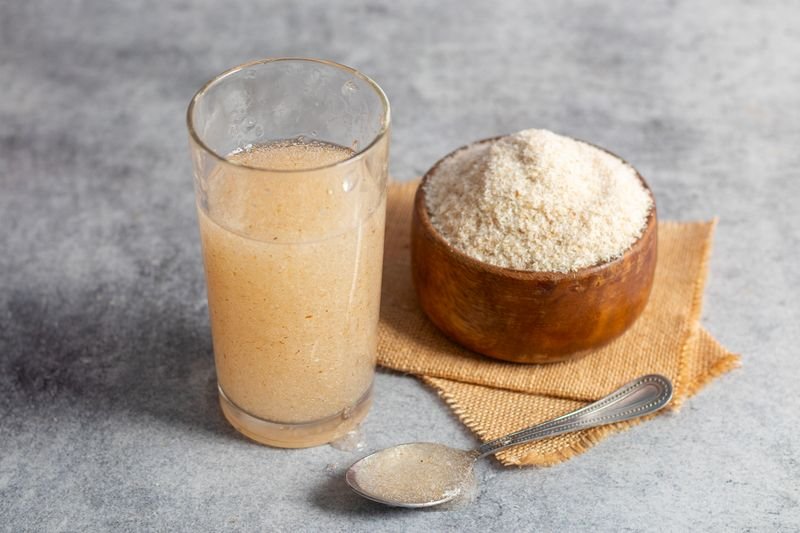

Mohit (54), with a six-year history of type 2 diabetes, came for a routine follow-up complaining of worsening constipation over the past four months, characterised by hard, infrequent stools and straining. Various tests, including a colonoscopy, ruled out any colon malignancy, strictures, or intestinal narrowings. The doctor asked him to take psyllium (isabgol) daily. Six weeks later, Mohit reported significant relief in constipation. He also found additional surprising benefits — his sugar levels were better and his cholesterol levels had also improved.Most people usually think of isabgol only as a constipation remedy. However, psyllium is a versatile metabolic and digestive stabiliser. A soluble fibre, it forms a thick gel in the digestive tract, and has a positive impact on various parameters from heart health to blood sugar. Decades of research show that it is highly beneficial for several health conditions, including heart health, blood sugar control, digestion, cholesterol, and even weight management.Dietary fibresFibre, an important component of diet, provides bulk to our food. Dietary fibres are formed by a complex combination of small sugars. Their complex chemical structure ensures that these are not digestible by digestive enzymes and provide negligible calories. These dietary fibres, called roughage, have a number of health benefits. Dietary fibres are of two types: soluble and insoluble, depending on their water solubility. Soluble fibres (pectin, gum) form a gel-like-material when they dissolve in water. Insoluble fibres (cellulose, lignin) do not dissolve in water and provide bulk to stools and may help in improving gastrointestinal motility.What is source of isabgolPsyllium, better known as isphagula or isabgol, is obtained from the outer husk of seeds of plantago ovata. Though it is a gel-forming soluble natural fibre, it is largely non-fermentable by the gut bacteria. Hence, it helps increase the bulk of stool, but without any bloating which can happen with intake of other fibres due to gas formation by the gut fermentation. Isabgol can pass unchanged through the digestive tract and absorbs almost 40 times the water.Relief for constipationPsyllium is a bulk-forming laxative, increasing the bulk of stools by absorbing a large amount of water to form a gel-like solution. This increases the stool mass and helps in stimulating the motility of gastrointestinal tract. It is often prescribed as the first line of treatment in functional constipation. However, it is important to note that in some cases, constipation can be a symptom of colon cancer and needs clinical evaluation before anyone starts taking isabgol for constipation.Helps control diarrhoeaPsyllium has dual action properties. It also absorbs excess water in cases of diarrhoea-predominant irritable bowel syndrome (IBS) and may result in a better stool consistency in these patients.Good for gut healthSome fibres are easily fermented and form a good amount of short chain fatty acids that act as fuel for the colonic epithelium (part of the intestinal lining). Psyllium, on the other hand, is fermented to a much smaller extent and results in formation of small amounts of these fatty acids. These fatty acids nourish the colonic epithelium and maintain gut integrity and barrier. In addition, because of limited fermentation, isabgol is better tolerated than most other fibres and does not cause bloating as an after-effect. Other fibres do get fermented a lot, producing a large amount of gases which can cause a feeling of abdominal distension and flatulence.Impact on blood sugarThe viscous nature of the gel formed by psyllium ensures that the food empties slowly out of the stomach. This ensures that the nutrients are delivered slowly to the intestines and the resulting spike of glucose levels is blunted. This improves the sensitivity to insulin over time. It may also increase the feeling of satiety and reduce carbohydrate intake, further improving blood glucose levels.Effect on cholesterolPsyllium is well recognised to reduce cholesterol levels. Absorption of fats is complex and involves bile acids which help in fat absorption. Psyllium binds and helps in excretion of these bile acids in stool. This reduces the fat absorption. The lost bile acids need to be supplemented by an increased production by liver and therefore liver draw bad or LDL cholesterol from blood.Other health benefitsMultiple human studies have demonstrated a blood pressure-lowering action of psyllium. The overall impact on blood pressure, cholesterol levels and blood glucose is likely to improve cardiac health. Dietary fibres can also help in reducing the risk of diverticulosis and also the risk of metabolic dysfunction-associated steatotic liver disease (earlier called the non-alcoholic fatty liver).Optimal dose and how to take isabgolPsyllium is best started in a dose of around 5 gm initially once a day with a glass of water and can be increased weekly by 5 gm to around 25 gm daily before major meals. Psyllium must be drunk immediately after mixing in water before it solidifies into an unpalatable, difficult-to-swallow gel. Most health benefits start accruing at a dose of more 10 gm/day. However, what is most important is to ensure an adequate intake of water with psyllium to ensure maximum benefit from its use. Patients with unevaluated recent onset constipation (less than 6 months), intestinal narrowing (strictures), known allergy to psyllium should avoid it, and take it only after consultation with a doctor. Also avoid taking psyllium close to taking thyroid, diabetes, heart medications and lithium.FactcheckRecent medical studies and meta-analyses published in journals like Nutrition Today and various clinical reviews show that psyllium provides significant metabolic, cardiovascular, and gastrointestinal health benefits. Studies from Indian tertiary care hospitals and research bodies consistently show that psyllium reduces the rapid absorption of glucose, which is crucial for a carbohydrate-heavy Indian diet. Large meta-analyses confirm that a daily dose of about 10–10.2 gm of psyllium significantly reduces harmful serum low-density lipoprotein (LDL) cholesterol and non-HDL cholesterol levels. Clinical studies highlight psyllium’s ability to improve glycaemic control by lowering fasting blood glucose and HbA1c levels in type 2 diabetes and metabolic syndrome patients.— The writer is Additional Professor of Gastroenterology, PGI, Chandigarh