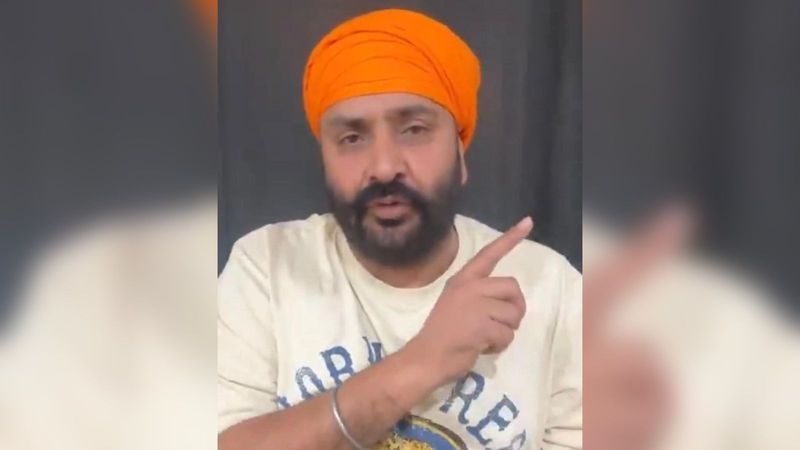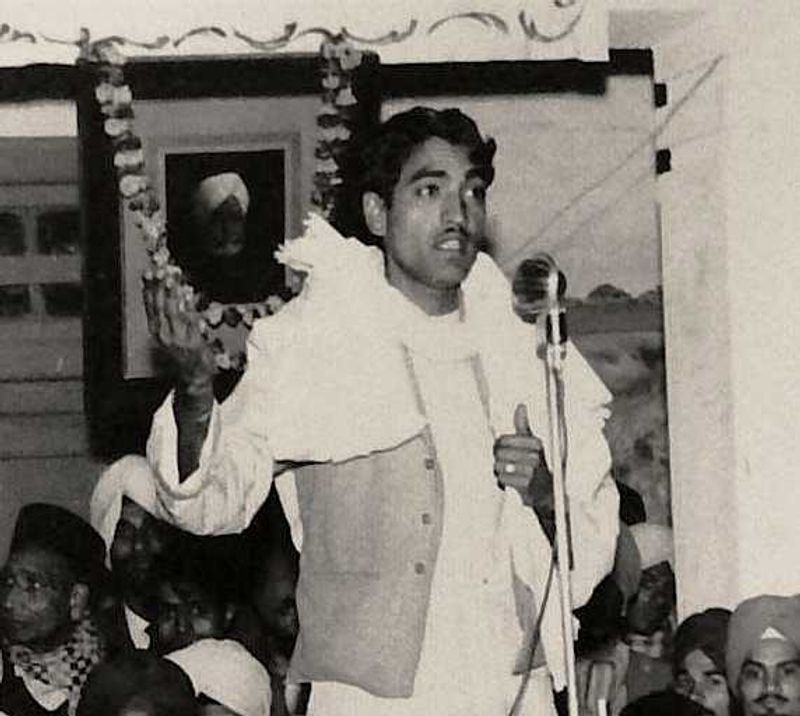

Shiv Kumar Batalvi’s poetry and literary works have not just remained in books and verses, but re-interpreted, re-imagined and served to the younger generation through Intsagram reels, songs and podcasts.Diljit Dosanjh’s rendition of Ikk Kudi (Udta Punjab) became a major cultural re-interpretation of Batalvi’s popular poem. Again, in Chamkila, Diljit sang Menu Vida Karo, which in a classical Batalvi’s style, became an emotional vocabulary of love, longing and loss. This generation of artistes include Wazir Patar, Jasleen royal, Arjan Dhillon, who used Shiv Kumar Batalvi’s poetry and mythical storytelling to talk about mental health, social and gender issues. But before them were Jagjit Singh, Gurdas Maan and several others, who re-imagined Batalvi and introduced his work to their audience. But beyond the status of a classical poet, Batalvi remains an ever-changing and evolving ‘source material’, who relevance remains the same.“We need to understand Batalvi’s work beyond nostalgia. Some of his most popular songs and poetry are being adapted and re-imagined by the new crop of artistes, but this is not his best work. Loona was path breaking in the history of Punjabi literature. Batalvi, through Loona, delved into gender disparity, injustice and feminist themes, how a woman is seen as a commodity. He wrote about yearning, female desire and taboo subjects. In the same breath, he used Gurbani and Sufi poetry to elevate the Punjabi language. It is natural for younger generation to rediscover him through a few popular songs, but we need to introduce him in schools, colleges and institutions,” said Diwan Manna, eminent artiste, who has worked on Batalvi as a subject.Many village Sahit Sabhas like the one still functional in Batalvi’s native village in Gurdaspur Keeri Mangyal, have preserved his legacy as is part of everyday conversation.