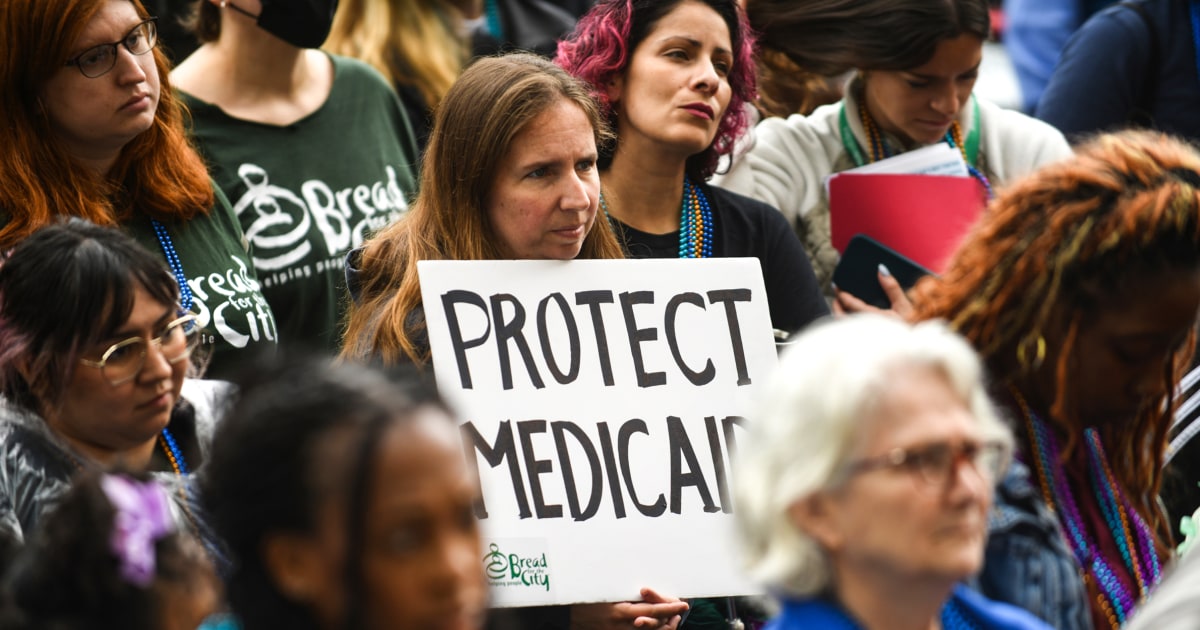

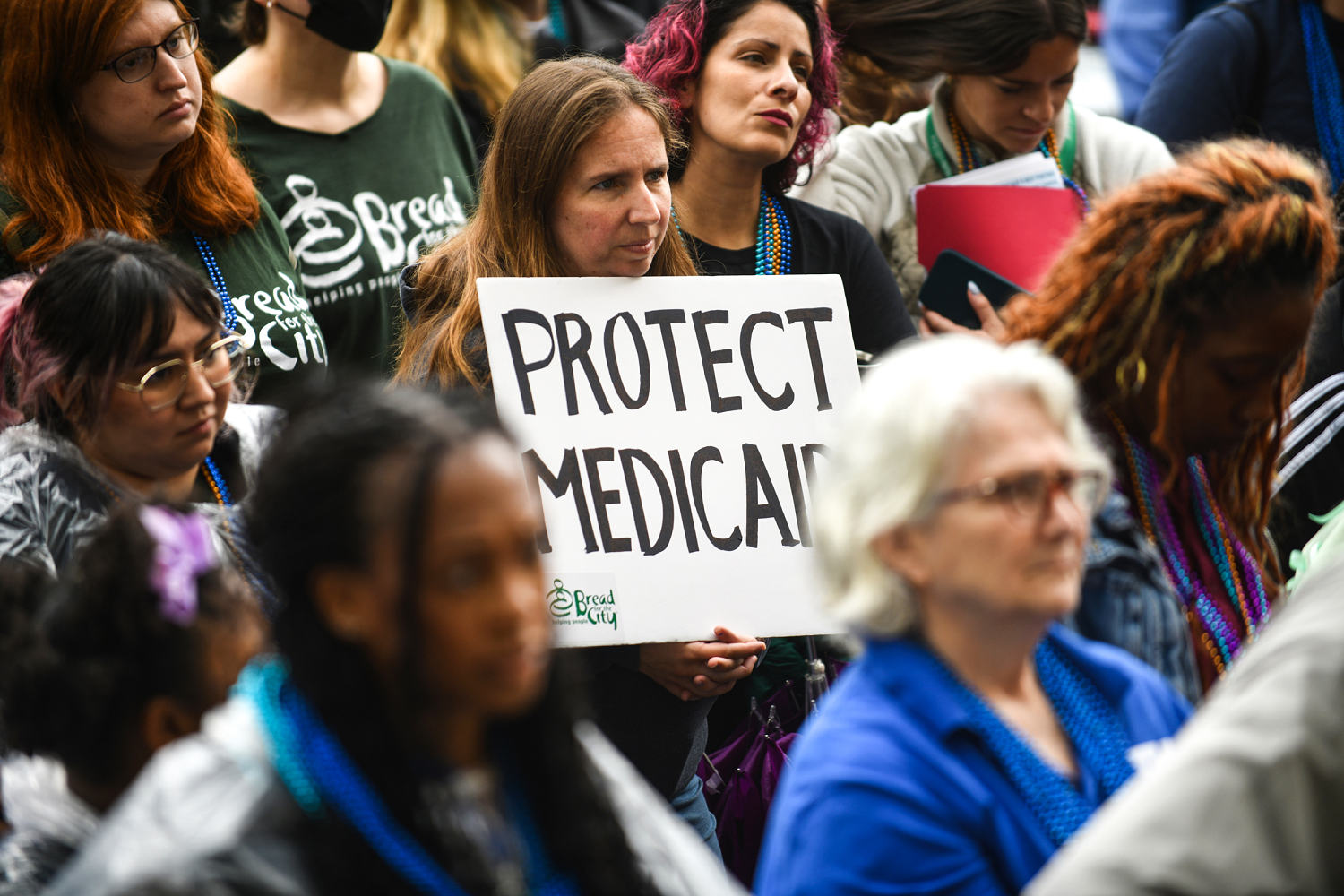
Pregnant women, parents of young children, veterans with disabilities and several other groups will be exempt from Medicaid’s new work requirements, the Trump administration said Monday.Subscribe to read this story ad-free Get unlimited access to ad-free articles and exclusive content.The guidance was released by the Centers for Medicare & Medicaid Services, meeting a June 1 deadline under President Donald Trump’s “big, beautiful bill” to explain how states should carry out the work rules.Beginning Jan. 1, many adults on Medicaid will need to work, attend school or volunteer for at least 80 hours a month to keep their coverage. The guidance also allows exemptions for people who are “medically frail” or have conditions that significantly limit their ability to work, such as cancer or substance use disorder. The guidance doesn’t include an exemption for people who are homeless.States will have discretion to determine which medical conditions qualify for exemptions. Nebraska, which implemented Medicaid work requirements this year, listed diagnoses that would qualify a person as medically frail in a nearly 300-page list of medical codes and technical language.During the first year, people will be allowed to attest — on their Medicaid applications or renewal forms — that they qualify for one of the exemptions rather than provide documentation, federal health officials said on a call Monday. Beginning in 2028, states will be expected to verify the exemptions. The temporary flexibility, the officials said, is intended to give states time to build systems that can verify exemptions using claims data and other records.Allowing people to self-report exemptions without proof, however, could make it easier for some to falsely claim they qualify.“We’re forgiving, but we’re not foolish,” Dr. Mehmet Oz, the CMS’ administrator, said on the call. “We are appropriately going after problem areas and doing it in a way that’s compassionate and forgiving, but we don’t want to be false.”Larry Levitt, executive vice president for health policy at KFF, a nonpartisan health policy research group, said allowing people to self-declare that they qualify for exemptions for the next year means fewer Medicaid enrollees will fall through the cracks and end up uninsured.The work requirements are expected to cause about 5 million people to lose their health coverage by 2034, largely because of paperwork and administrative hurdles, as opposed to because of their job status, according to a KFF report.“The quick implementation timeline makes it even harder for states to set up adequate systems,” Levitt said. The Trump administration says the policy will encourage more people to find jobs or increase their work hours.Officials cited a report this year from the National Bureau of Economic Research, a nonpartisan research group, that found Americans are working fewer hours than they did in previous decades. The officials argued that government benefits reduce incentives to seek employment.