

TOMORROW’s solar eclipse is set to be an incredible astrological moment that can’t be missed.
But watching at the right time is essential if you want to see the eclipse at its most impressive moment.
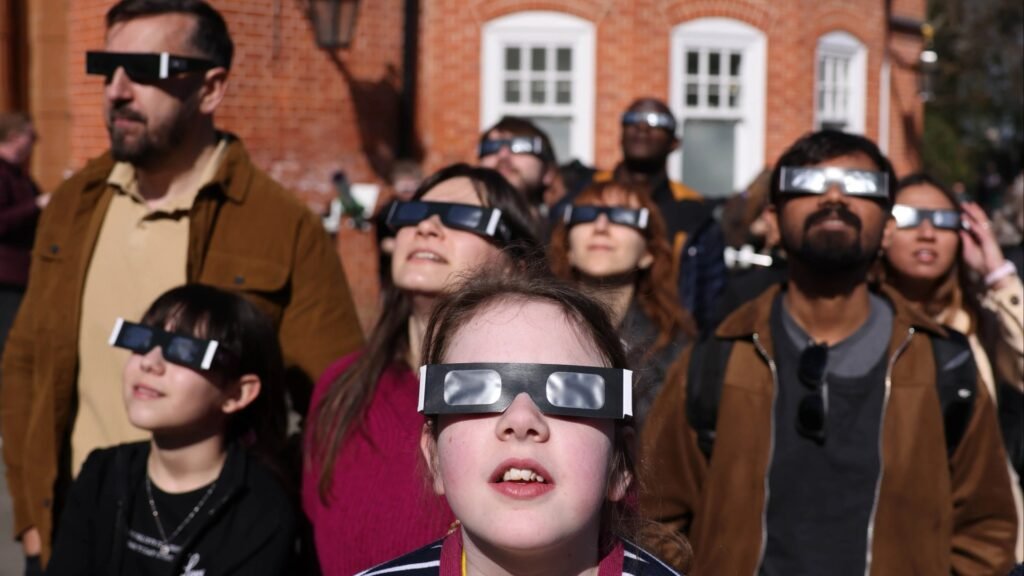
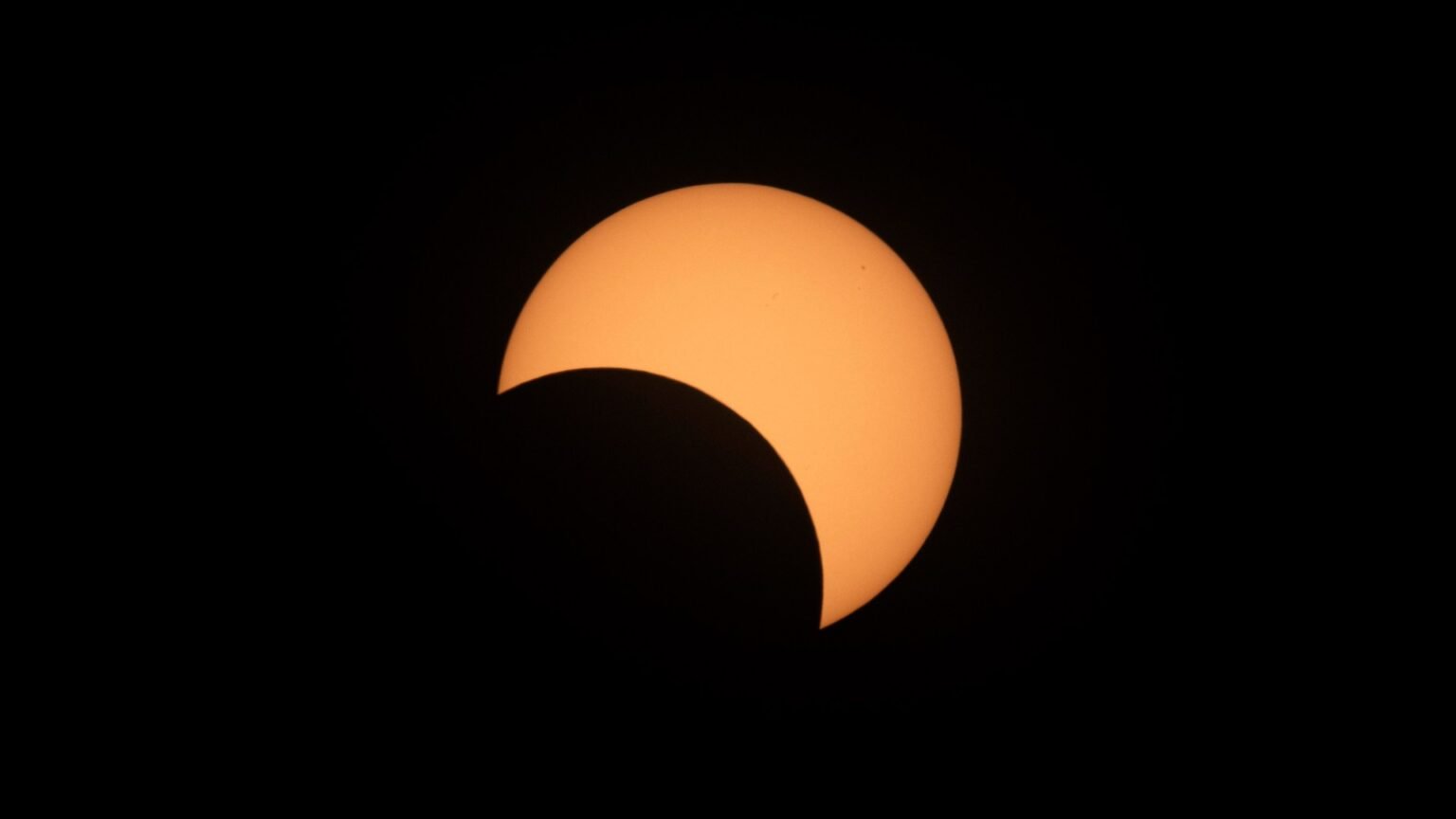
Wednesday’s solar eclipse will be visible across the UK Credit: Getty
Different areas will experience peak obscuration at different times
The rare celestial phenomenon will be visible in the sky across the UK on August 12, with different areas of the nation experiencing peak coverage of the sun at different times.
The amount of solar coverage that will be visible also differs across the country.
Sign up for the Tech newsletter
Thank you!
Those down in the likes of Devon and Cornwall are set to experience the most obscuration, with around 94.66 per cent coverage, according to the Met Office.
Those in the South West of England will see the most coverage of the sun – but will also experience it the latest, with 7:16pm set to be the peak time to view.
specs appeal
How to watch tomorrow’s solar eclipse safely without glasses
shadow of a doubt
What is the difference between a solar eclipse and a lunar eclipse?
Meanwhile, those up a the top of Scotland will experience optimum obscuration earlier at around 7:03pm, with 90.76 per cent of the sun blocked out.
If you want to find out exactly when the most magical moment of the eclipse will occur in your area, you can use our interactive tool to check the optimum obscuration time in your town.
Simply search for your area using the tool to find out the solar coverage percentage, as well as the peak time to see it.
The last time Brits were lucky enough to witness a solar eclipse as impressive as the upcoming one was almost three decades ago.
On August 11, 1999, a full solar eclipse swept across the sky, covering the sun in totality.
The spectacle was enjoyed most by those down in the South West, with people in Cornwall and Devon watching as the moon blocked out the sun’s light.
The eclipse saw daytime temporarily turn dark, with locals reporting that the wind stopped blowing and the birds went silent.
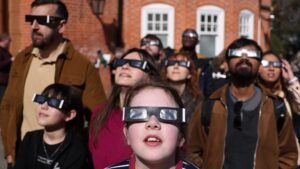
Protecting your eyes during the solar eclipse is essential Credit: Getty
The UK experienced a full solar eclipse back in 1999 Credit: Shutterstock Editorial
However, people who watched the eclipse back in 1999 are being warned to avoid using the protective solar glasses they used last time.
According to experts, relying on protection used 27 years ago to shield eyes from harmful UV rays might not suffice.
The American Astronomical Society advises only using solar eclipse glasses if they are less than ten years old.
It’s also recommended to “discard” protective glasses if they are “scratched, punctured, torn or otherwise damaged”.