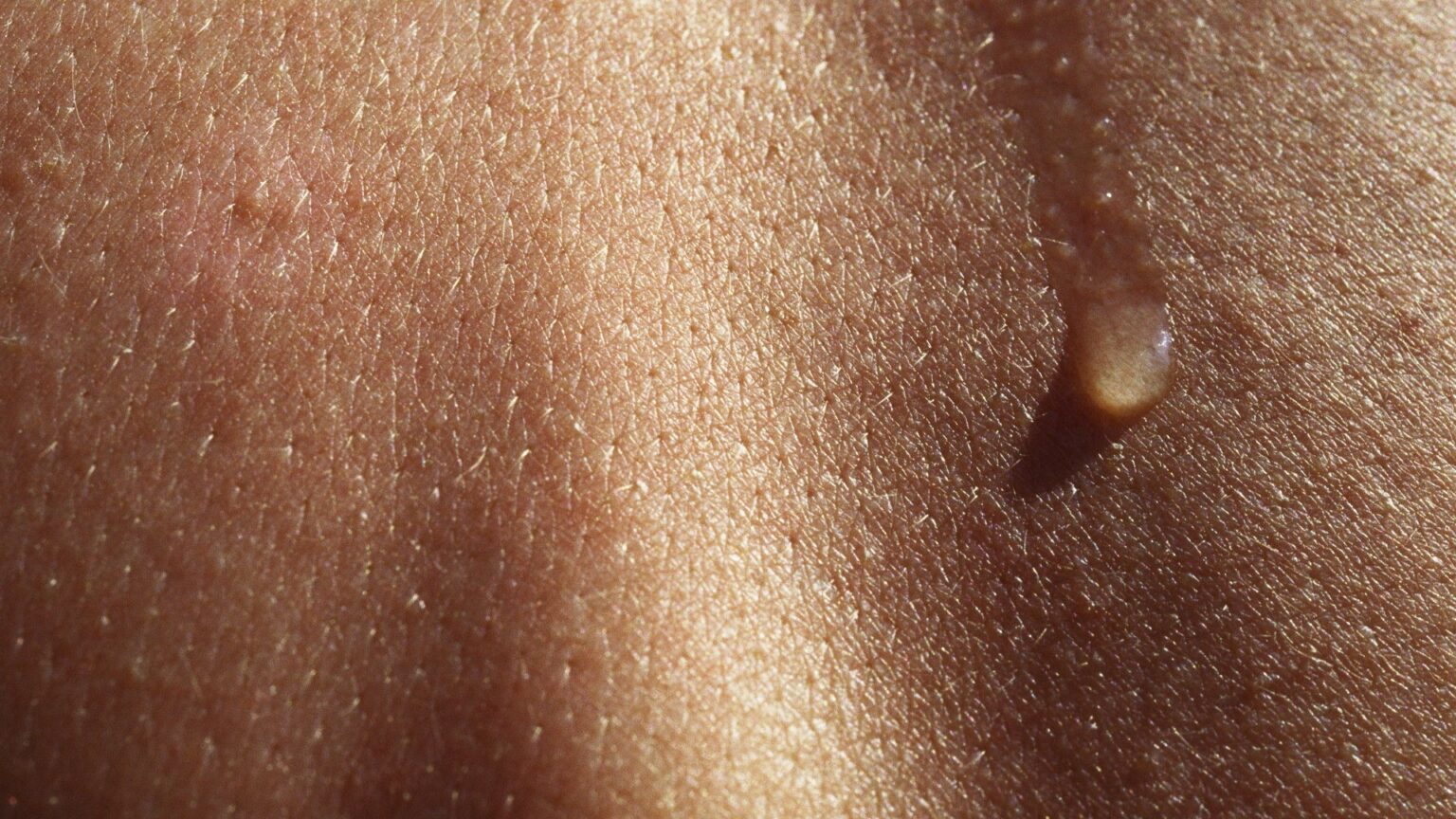


WAKING up in a sweat? When the weather is scorching hot, it’s unsurprising, and most of us get sweaty at night every now and again.
But while there are plenty of harmless causes, such as bad dreams or too much booze, occasionally, night sweats can be a sign of something more sinister.
Night sweats can be a sign of diabetes, menopause or sometimes something more serious Credit: Getty
In most cases it can be easily treated Credit: Getty
Highs of up to 34C are forecast for the coming days and a yellow heat health alert is in place for the east Midlands, east of England, London, the south east, south west and the west Midlands, from July 4 to July 11 at 8pm.
While the weather is not set to reach the record-breaking temperatures seen recently, it is likely people will be in for a few uncomfortable nights of sleep.
Dr Nadira Awal, Doctify-rated GP and founder of Pause & Co Healthcare, tells Jattvibe Health: “It’s important to note that while night sweats can be concerning, they are often not indicative of a serious underlying condition.”
In fact, many cases are just down to things that can easily be fixed, like room temperature and bedding.
“However, persistent or severe night sweats, especially when accompanied by other symptoms like unexplained weight loss, fever, or changes in appetite, should always be evaluated by a healthcare professional,” she adds.
So, what conditions and lifestyle factors could soaking through your sheets indicate? And when should you seek help?
1. Diabetes
tDiabetes can be a cause of night sweating Credit: Getty
Having either type 1 or type 2 diabetes may contribute to feeling sweaty at night.
“If you have diabetes, whether diagnosed or not, low blood sugar – known as hypoglycemia – can cause sweating at night,” says Dr Martin Thornton, chief medical officer at Bluecrest Wellness.
“People with diabetes who take certain medications – including insulin – are particularly at risk of night sweats.”
According to Diabetes UK, almost six million people in the UK are living with the condition.
Data shows that over 4.7 million people have diabetes diagnoses while almost 1.3 million people in the UK could be living with type 2 diabetes who are yet to be diagnosed.
Type 2 diabetes is the most common type and is a leading cause of strokes and heart diseases, with patients also at risk of blindness and leg amputations.
2. Obesity
Obesity may also contribute to feeling sticky during the night Credit: Getty
Being overweight can contribute to nocturnal sweating.
“Excess body weight makes it more difficult for the body to regulate temperature effectively,” says Dr Awal.
“This can lead to increased sweating, especially during sleep.
“Obesity is also often associated with other conditions like sleep apnoea, which can independently cause night sweats.”
3. Sleep apnoea
Sleep apnoea causes breathing to stop and start during sleep
“Sleep apnoea can be a really difficult condition to manage on many levels,” says Dr Thornton.
“It causes breathing to stop and start during sleep, which can trigger sweating as your body attempts to regulate your breathing again.”
Sleep apnoea is often treated with lifestyle changes before a CPAP machine to improve breathing at night is prescribed. But regardless, it should not be ignored and does need to be treated.
It can increase your risk of type 2 diabetes, stroke – which can trigger night sweats too – as well as depression and high blood pressure.
4. Quitting smoking
A few sweaty nights seem worth it when you think of all the health benefits that come with quitting smoking.
This includes better lung health, reduced cancer risk, and fewer wrinkles to name a few.
“Nicotine is a stimulant that affects the central nervous system, and when individuals quit smoking, they may experience night sweats as part of the withdrawal process,” says Dr Awal.
Check out the NHS’ free Stop Smoking service for support if you’re trying to stub the habit out.
5. New meds
Certain medications can contribute to night sweating, particularly antidepressants and hormone therapies Credit: Getty
Started a new medication recently and noticed you’re suddenly super sweaty at night?
“This is common, particularly with antidepressants, hormone therapies and medicines that are used to treat infection-related fevers,” says Dr Thornton.
“Talk to a healthcare professional to ensure you’re aware of the side effects of any new medication you may be starting.”
And if you’re struggling, don’t be afraid to ask to try an alternative where possible.
6. Cancer
Speak to your GP if you regularly wake up with soggy pyjamas and sheets Credit: Getty
In certain cases, night sweats can be an early sign of cancers like leukaemia and lymphoma.
“Keep a close eye on the type of sweating. Is it drenching your bedclothes and covers?” asks Dr Thornton. “Has it lasted for a number of weeks? Has it come alongside unintended weight loss, and persistent tiredness and fatigue?”
If the answer is yes, speak to your GP immediately.
Dr Nikki Ramskill, a Doctify-rated GP, adds: “Lymphoma can cause extreme tiredness, unexplained weight loss, night sweats and swollen glands – lymph nodes in the neck, armpits and groin. Thankfully some simple blood tests can look into this condition, so if you recognise these in yourself, seek advice from a healthcare professional ASAP.”
7. Menopause
About three quarters of women experience hot flushes in the menopause Credit: Alamy
Hot flushes are a classic menopause symptom – one that’s often made light of, despite the fact that they can be incredibly debilitating for many women.
“Night sweats are primarily driven by fluctuations in oestrogen, which can cause the hypothalamus – the part of the brain responsible for regulating body temperature – to become overactive,” explains menopause expert Dr Louise Newson.
“This can lead to a sudden feeling of heat or cold, sweating, and often an interrupted sleep cycle.
“HRT (Hormone Replacement Therapy) is usually the first line of treatment for the management of perimenopausal and menopausal symptoms, including night sweats.
“The type of hormones you need and the doses given vary between each woman – it’s not a ‘one type fits all’ prescription.”
Chat with your GP about finding the right HRT for you.
8. Infection
Bacterial infections can often cause night sweats Credit: Getty
“Bacterial infection can often cause night sweats as your body is trying its hardest to fight off the illness,” says Dr Thornton.
“Particularly nasty infections such as tuberculosis can trigger excessive night sweating, while more common infections such as flu or Covid-19 can also lead to nocturnal sweating.”
Cases of tuberculosis are rising in the UK, with 5,424 reported in 2025 – that’s 25 per cent higher than cases recorded in 2022, according to the UK Health Security Agency (UKHSA).
TB is a highly debilitating bacterial infection that mainly affects the lungs, triggering relentless coughing, coughing up blood, weight loss and severe weakness.
Dr Awal adds: “HIV, endocarditis, and even common respiratory infections like pneumonia or bronchitis, can lead to night sweats as the body fights off pathogens.”
9. Anxiety
Intense stress can spark severe sweats Credit: Getty
Wide awake worrying about work at 3am?
“Your fight-or-flight response may be working in overdrive if you’re spending the night in an anxious state, causing nighttime sweating,” says Dr Thornton. “Intense stress can cause spikes in your adrenaline, leaving you in a cold sweat at bedtime.”
Relaxation techniques before bed – like winding down with a bath and a good book, avoiding screens and alcohol before drifting off, and even trying meditation – can really help ease nighttime anxiety.
Visit mental health charity Mind for additional support.
10. Thyroid problems
Your thyroid regulates your hormones and can play havoc with your body temperature Credit: Getty
Your thyroid is in charge of regulating your hormones and can play havoc with your internal temperature.
“If your thyroid is overactive (hyperthyroidism), your metabolism will speed up, leading to an increase in body temperature and excessive sweating,” says Dr Thornton.
It also causes unintentional weight loss, palpitations, sweating, tremors and in some cases, eyes that are bulging and appear bigger than usual.
“Conversely, if your thyroid is underactive, or if you’re taking too much levothyroxine (a medicine intended to treat an underactive thyroid gland) your body’s ability to regulate its temperature can be disrupted, meaning an increase in nocturnal sweating,” says Dr Thornton.
11. Mercury poisoning
Exposure to high levels of mercury could cause your body to have night sweats Credit: Getty
This one is highly unlikely but still possible.
“Exposure to high levels of mercury is not a common occurrence for the average person,” says Dr Thornton.
“But if you’re aware that this could be a risk, either from contaminated shellfish or if you work in an industry where you have exposure to mercury, your night sweats could be a sign of your body trying to eliminate mercury from your system.”
If you do suspect you have mercury poisoning, go to A&E.
12. Stroke
The main symptoms of a stroke – which are life-threatening – are face and arm weakness and slurred words or speech issues.
However, night sweating can be a byproduct of experiencing one.
“Strokes can damage a really important part of the brain which regulates temperature, leading to excessive sweating, which can occur at night,” says Dr Thornton.
“Additionally, neurological conditions that impact the nervous system can also disrupt the body’s ability to regulate sweating.”
WHEN TO SEEK HELP
USUALLY, night sweats are annoying and uncomfortable, but largely treatable.
Make sure your bedroom is a cool 16C to 18C, and that your bedding and nightwear is cotton, lightweight and breathable.
If you’re soaking through your sheets regularly though and you’re worried, speak to your GP.
Dr Awal says: “The investigation of night sweats is crucial for several reasons.
“Firstly, they can significantly impact a person’s quality of life, disrupting sleep and leading to daytime fatigue, mood changes, and decreased productivity.
“Secondly, night sweats may be an early warning sign of a more serious underlying condition that requires prompt diagnosis and treatment.”
Dr Thornton adds: “If night sweating is the sign of something more serious, it rarely appears alone.
“Keep a symptom diary to talk to your healthcare professional about your night sweats in the context of your general health.”