

EMERGENCY crews are battling wildfires across the popular Greek island of Kefalonia, forcing tourists and locals to evacuate homes and holiday accommodation.
Heatwave conditions and gale-force winds have fuelled blazes across the Ionian island, sending thick smoke over holiday regions and putting British travellers on alert.
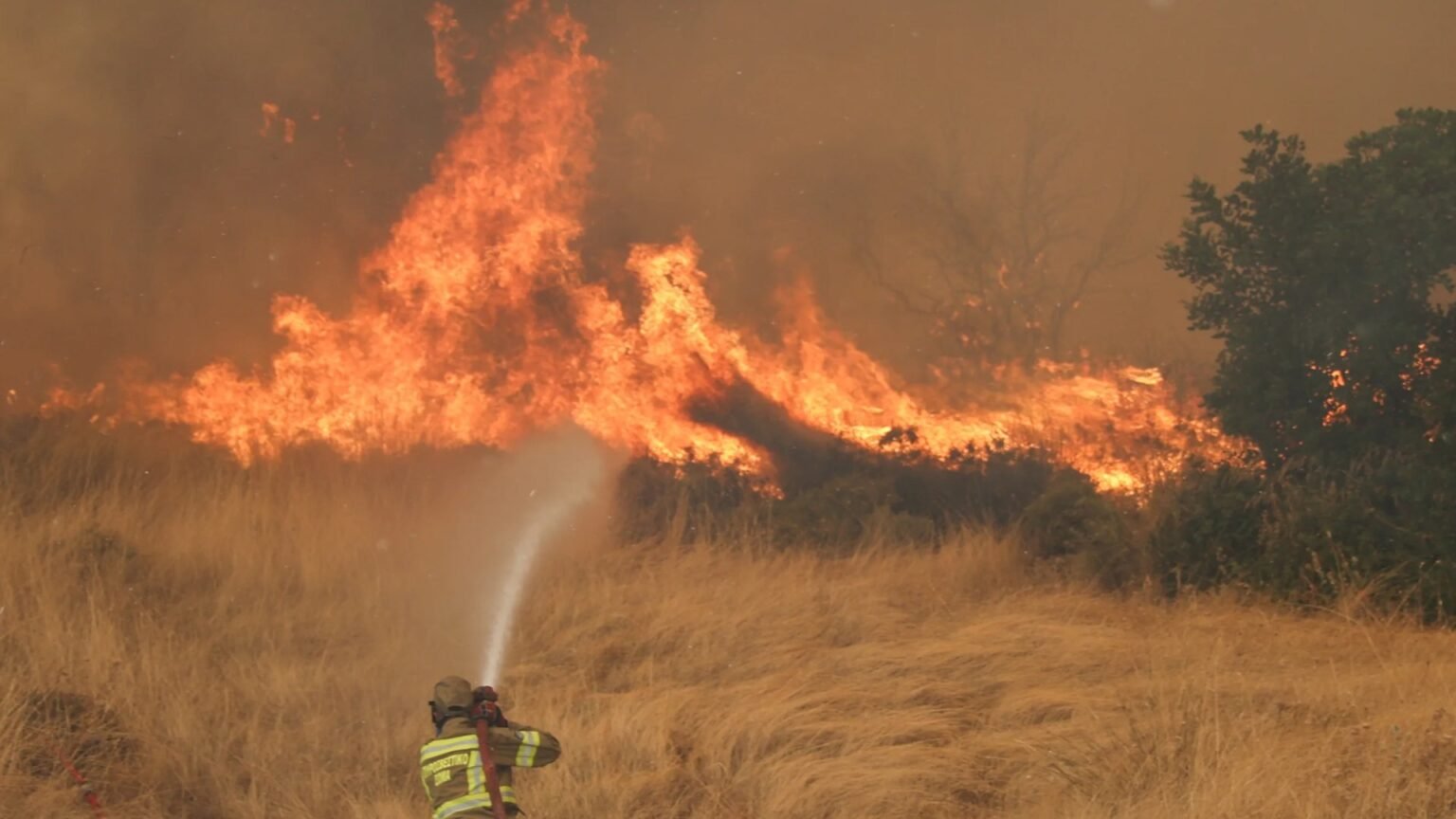
A firefighter works to extinguish a wildfire in the Megara Region, west of Athens on August 3, 2026 Credit: AFP
Wildfires initially erupted in the dense pine forests of Kefalonia before spreading towards residential settlements Credit: Getty
Here is your guide to where the blazes are located, how they started, and what the latest official advice says for holidaymakers heading to Greece.
Where are the fires in Kefalonia?
Wildfires initially erupted in the dense pine forests and scrubland near Pastra, in the south-east of the island of Kefalonia.
Sign up for the Travel newsletter
Thank you!
The Greek Fire Service and local municipal authorities issued urgent precautionary evacuation orders via the national emergency alert system after flames threatened nearby homes and tourist lodgings.
Evacuations were triggered for several inland villages as flames moved close to residential zones.
SEA IT
All 25 of the English Riviera beaches ranked from best to worst – by a Devon local
STAY ALERT
Is it safe to travel to Greece? Latest holiday advice amid wildfires evacuations
While precautionary evacuations were ordered, local authorities and ground crews largely brought the fire near Pastra under control.
Though firefighters – supported by specialised water-dropping aircraft and helicopters – still remain on high alert for flare-ups.
Evacuations were triggered for several inland villages, including Kapandriti in the south-east of the island
While main coastal resorts remain open, drifting smoke plumes and shifting winds have affected air quality and visibility across nearby districts.
How did the fires start?
The outbreak of wildfires on Kefalonia comes amid an intense summer heatwave gripping Greece and wider southern Europe.
While official investigations into the exact ignition points remain ongoing, authorities point to a combination of extreme environmental factors.
Prolonged periods of temperatures exceeding 40C have left vegetation bone-dry, creating conditions where a single spark can instantly trigger a wall of fire.
Strong, unpredictable gusts have also whipped embers across containment lines and made aerial firefighting exceptionally dangerous.
In coastal areas, high sea winds briefly prevented water-scooping aircraft from operating safely.
Greece has suffered dozens of wildfire outbreaks in recent days, including severe blazes in Attica, Halkidiki, and Crete, putting emergency services under heavy strain.
Is it safe to travel to Kefalonia?
The UK Foreign, Commonwealth & Development Office (FCDO) has updated its safety guidance for Britons visiting Greece, but has not advised against travel.
While it has not placed a blanket travel ban on visiting Greece, officials advise all travellers to exercise caution, stay informed, and follow local emergency instructions.
Holidaymaker checklist:
Monitor Emergency Alerts: Ensure your mobile phone can receive emergency broadcast messages from @112Greece. If an evacuation alert is issued, follow instructions from local authorities immediately.
Contact Your Travel Provider: Major operators (such as TUI, Jet2 and EasyJet) are monitoring the situation closely. If your accommodation or flight is impacted, contact your provider before travelling.
Check Travel Insurance: Verify that your travel insurance policy covers natural disasters, trip interruptions, or emergency relocations.
Emergency Numbers: If you are in immediate danger in Greece, call 112 for emergency services. British nationals requiring urgent consular assistance can contact the Foreign Office on +44 (0)20 7008 5000.
Travellers heading to unaffected resorts on the island can generally proceed with their plans.
But checking live traffic and local authority updates before set-off is strongly recommended.