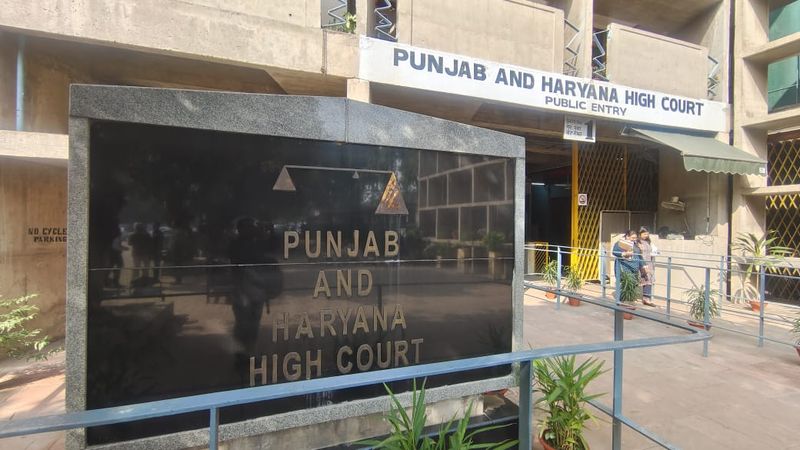

A man has walked free in a drugs case nearly 24 years after it was registered, with the Punjab and Haryana High Court finding the prosecution’s own documents riddled with correction fluid, overwriting and entries in different ink — defects that made the recovery proceedings unreliable.“This court has found serious and unexplained alterations in the consent memo as well as the personal search memo. The repeated cuttings, overwriting, use of correction fluid and writing in different ink in material documents have already rendered the prosecution version highly doubtful and have created authenticity of this order/judgment a legitimate apprehension that the documents were prepared subsequently merely to complete procedural formalities,” the bench held.The case has its genesis in a judgment passed in December 2004 by Patiala Special Court, holding the man guilty of offence punishable under the NDPS Act before sentencing him to undergo rigorous imprisonment for seven years. The bench was told that an FIR in the matter was registered in June 2002.His counsel, during the course of hearing, submitted that “the very first circumstance which dents the prosecution case and renders the recovery proceedings doubtful is with regard to the consent memo”. He contended that the document was not a consent, but a dissent, memo. Originally dissent was written in Punjabi. But white correction fluid was apparently applied on the first letter to convert the word to consent. The counsel added that the accused did not repose confidence in getting his search conducted in a DSP’s presence. His dissent statement was recorded and memo was accordingly prepared. Subsequently, the same was converted into a consent memo to overcome the legal consequences flowing from it.Setting aside the conviction, Justice Mandeep Pannu held that the consent memo — meant to show that the accused was informed of his right to be searched before a Magistrate or a Gazetted Officer — was not an ordinary procedural document.It was a crucial piece of evidence intended to demonstrate due compliance of the mandatory safeguards. The right of an accused to be searched before a Magistrate or a Gazetted Officer was a substantive safeguard to ensure transparency and fairness in search proceedings. As such, the document recording the response of the accused was required to inspire complete confidence.“It is not disputed that white correction fluid was applied on the first letter of the relevant Punjabi word in the heading of the memo and also at two places in the body of the document. The prosecution has failed to furnish any convincing explanation as to why such corrections were required in a document of such significance…. The unexplained alteration creates a legitimate apprehension that the original document may not have reflected the actual intention of the accused.The bench also referred to multiple unexplained cuttings and alterations.“These discrepancies cannot be brushed aside as mere clerical mistakes, particularly when similar alterations had already been noticed by this court in the consent memo. The repeated occurrence of cuttings, overwriting and use of different ink in material documents creates a serious dent in the prosecution story,” the bench added.Justice Pannu added: “The possibility that the documents were prepared later merely to complete formalities cannot be ruled out. The prosecution has failed to furnish any convincing explanation for these material irregularities. This court is, therefore, of the considered opinion that the trial court committed an error in treating these discrepancies as insignificant.”The bench added the cumulative effect of suspicious alterations in material documents, non-examination of Gazetted Officer and independent witness, and failure to establish proper custody of case property created serious doubt regarding the fairness and genuineness of the alleged recovery proceedings.“Consequently, the present appeal is allowed. The judgment of conviction and order of sentence dated December 15, 2004, passed by learned trial court are hereby set aside. The appellant-accused is acquitted of the charges framed against him by extending the benefit of doubt. He be released forthwith, if not required in any other case”.