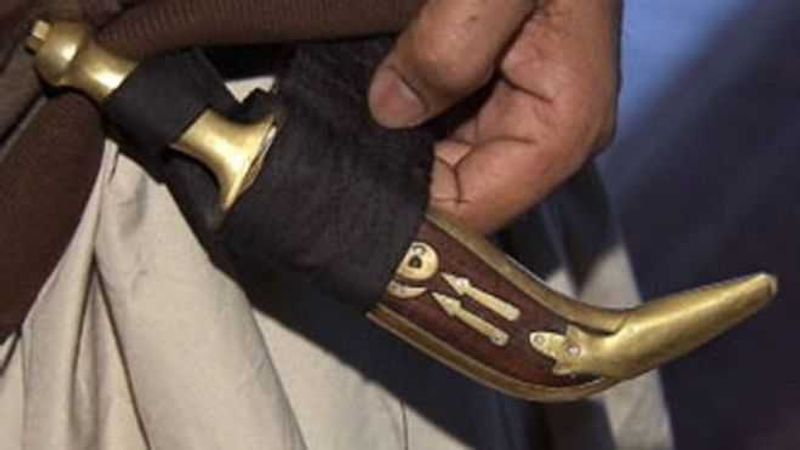

The murder of 18-year-old Henry Nowak in Southampton has reignited debate in the United Kingdom over the legal right of Sikhs to carry a kirpan, a ceremonial knife worn as part of their faith.The discussion follows the conviction and sentencing of Vickrum Digwa for killing of Nowak. During court proceedings, the judge noted that Digwa was carrying both a kirpan and a larger bladed weapon, with the latter being used in the fatal attack.In the aftermath of the case, Henry’s father, Mark Nowak, urged people not to use his son’s death to fuel division or hatred. Instead, he said he hoped the tragedy would contribute to making streets safer for everyone.Sikh organisations across the UK also expressed condolences to the family while condemning the killing. Community leaders stressed that Digwa’s actions were entirely contrary to Sikh teachings and values and did not reflect the beliefs of the Sikh community.The case has raised fresh questions about the kirpan, one of the Five Ks that form the articles of faith for initiated Sikhs, known as Amritdharis. The Five Ks include kesh (uncut hair), kangha (wooden comb), kara (steel bracelet), kachera (special undergarment) and kirpan.Contrary to a common misconception, not all Sikhs carry a kirpan. The obligation primarily applies to Amritdhari Sikhs who have undergone formal initiation into the Khalsa.Under UK law, carrying a knife or bladed article in public is generally prohibited. However, the law provides exemptions for “good reason”, including religious practice. This allows Sikhs to carry a kirpan as part of their faith, similar to how a sgian dubh may be carried with traditional Scottish Highland dress.Legal experts point out that the exemption applies only to possession, not use. Any blade used to harm another person is treated as a weapon, regardless of its religious significance.The kirpan occupies a unique legal position because it is both a religious symbol and a bladed object. Courts in different countries have addressed the issue in varying ways. Canada has largely favoured accommodation with safeguards, while Italy has taken a stricter approach under general weapons laws. India explicitly recognises the kirpan as an integral part of Sikh religious practice under its Constitution.Experts argue that restricting the religious exemption would not prevent violent crimes, which are already illegal. Instead, such a move would primarily affect law-abiding Amritdhari Sikhs while doing little to address the root causes of violence.The debate now centres on how governments, institutions and Sikh organisations can continue to balance religious freedom with public safety. Many believe greater awareness about the kirpan’s religious significance and clearer guidelines on its carrying could help reduce misunderstandings while preserving both community harmony and legal safeguards.