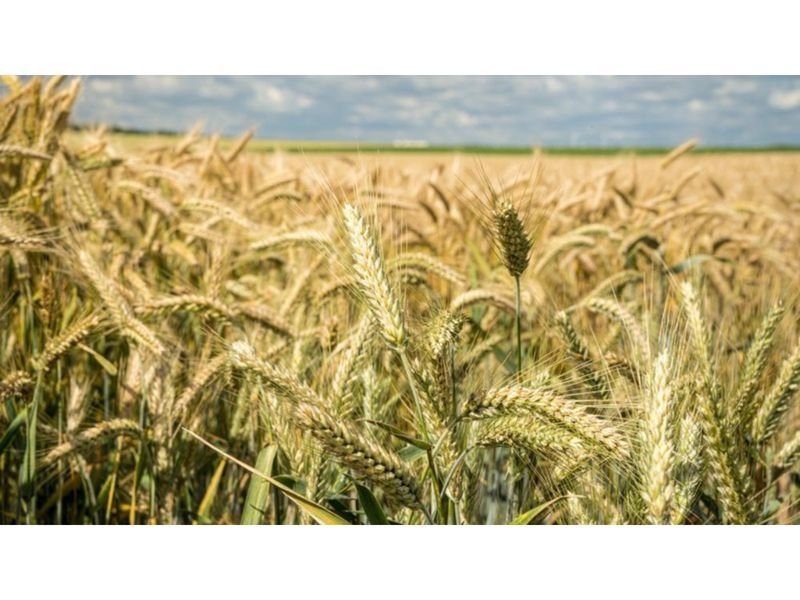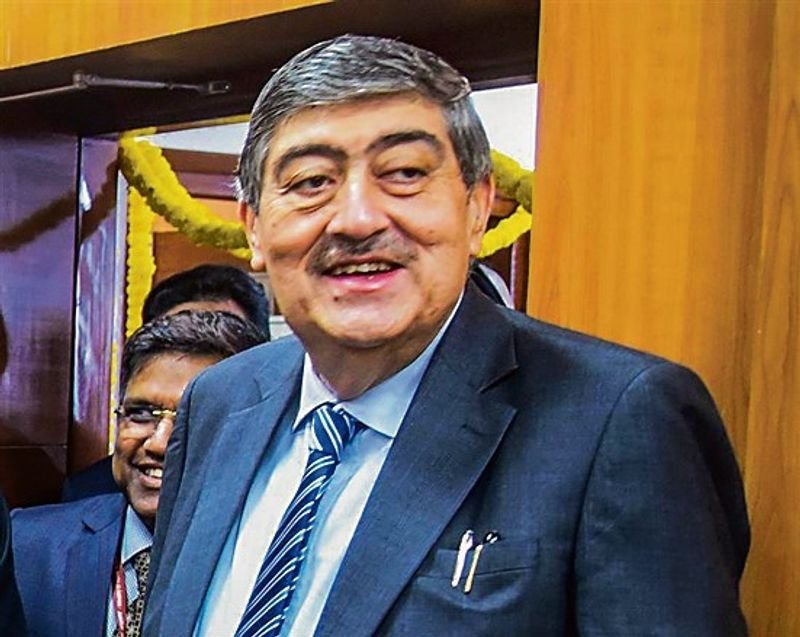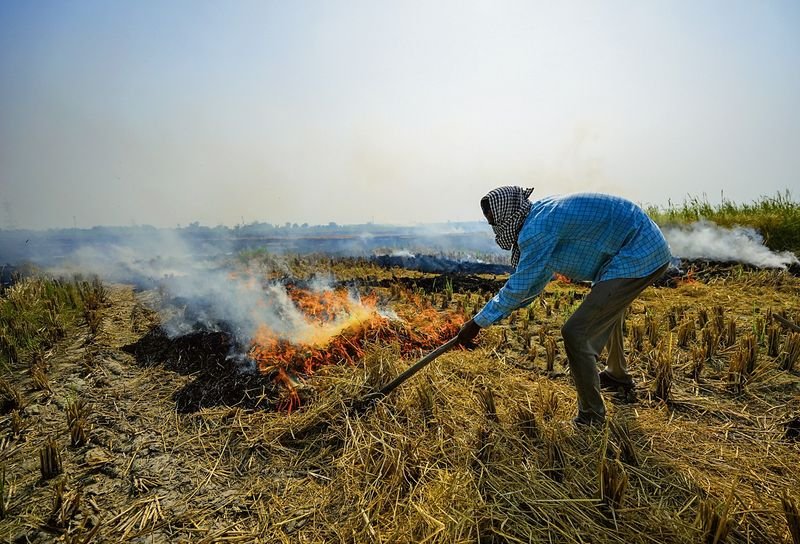

Beyond the political blame game between the Aam Aadmi Party government in Punjab and the BJP-led government in Delhi over deteriorating air quality in North India, the persistence of stubble burning calls for a closer examination of the economics driving the practice. Despite years of subsidies, machinery support and enforcement measures, farmers continue to set their fields on fire, raising a fundamental question: why is burning cheaper and more convenient than scientific residue management?“Thousands of crores go into subsidies on stubble management machines provided by the Centre. Yet, the farmers prefer a Rs 10-matchbox to burn the paddy residue over scientific management that would cost around Rs 2,000 to Rs 2,500 per acre. Farmers, like everyone else, are neither villains nor victims. They are rational market actors,” says Kulwinder Singh, a farmer from Nadampura in Sangrur, while explaining why stopping farm fire isn’t as simple as it seems.The number of farm fires reported so far this year stand at 574 — peaking at 123 on October — but the paddy harvest is ongoing and the figures are expected to go up. While this is a marginal increase from 561 incidents recorded during the corresponding period last year, it is a significant 66 per cent lower than the 1,678 incidents reported in 2024. Across the seven states being monitored for stubble burning, the highest number of incidents have been reported in Punjab. The overall figure the September 15-October 24 period is 1,823.The issue at hand is as much about economics as it is about the environment. Farmers unions in the state, which have a massive sway over agricultural choices, have maintained that a multi-pronged approach is needed. Leaders say that they have been pressing the government to discourage the paddy varieties like PUSA 44, which generates high stubble; subsidise the farmers who use munchers for in-situ (on-site) stubble management and improve the availability of munchers.The past week saw a three-day visit by the Commission for Air Quality Management (CAQM). Not only did the Commission chairperson Rajesh Verma meet deputy commissioners and SSPs of all 23 districts in the state to get their feedback on all stubble management practices being put to use, he also followed it up by going to Ropar, Hoshiarpur and Amritsar to see the ecosystem created on ground, including the compressed biogas plants that use stubble as a raw material.This year, the Punjab Government had come up with a Rs 576-crore stubble management plan and provided nearly 21,155 subsidised machines to farmers ahead of the season. And yet, the high number of fires, especially in Amritsar and Tarn Taran are said to have left the CAQM officials flummoxed.The chairperson expressed concern over the high number of incidents and asked the administration to intensify monitoring on the ground. It may be mentioned that Tarn Taran recorded the highest number of farm fires at 270, followed by Amritsar with 144. Gurdaspur reported 27 incidents, Kapurthala 27 and Jalandhar 12.The Central Pollution Control Board has also deployed flying squads in 18 districts to assess the ground situation.The CAQM also directed officials to visit villages regularly and ensure that farmers had timely access to machinery and other stubble-management facilities. It called for better coordination among farmers, custom hiring centres, machinery providers and other stakeholders to ensure that crop-residue management solutions were readily available.Emphasis was also laid on the use of paddy stubble as fuel in thermal power plants, brick kilns and industries wherever feasible. Appointment of sector-wise nodal officers to monitor the actual utilisation of paddy residue and ensure regular reporting of compliance was ordered.Figures available till October 23 showed that 91 FIRs had been registered against farmers across Punjab in connection with stubble burning. Authorities had also made 182 red entries in farm records and issued 305 warnings or show-cause notices to nodal officers.As the harvest season peaks, whether farmers comply with CAQM orders or — emboldened by poll-season politics — reach for the matchbox remains to be seen