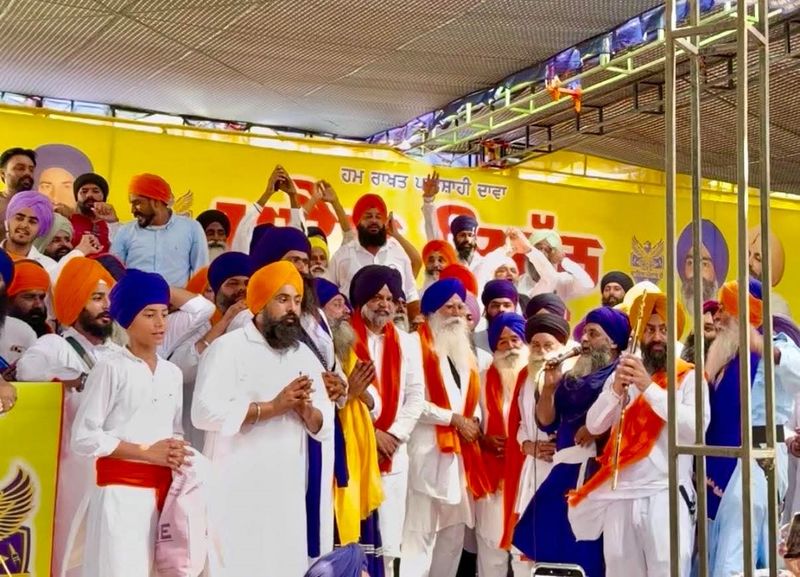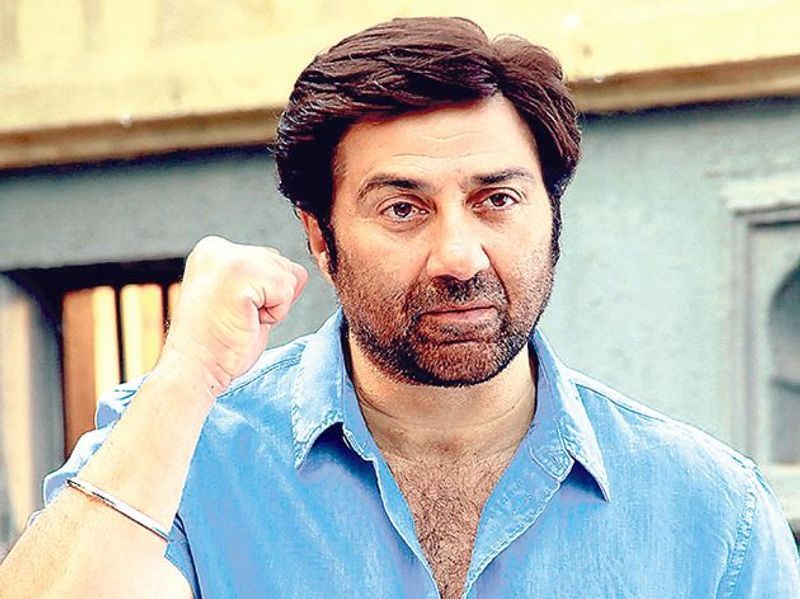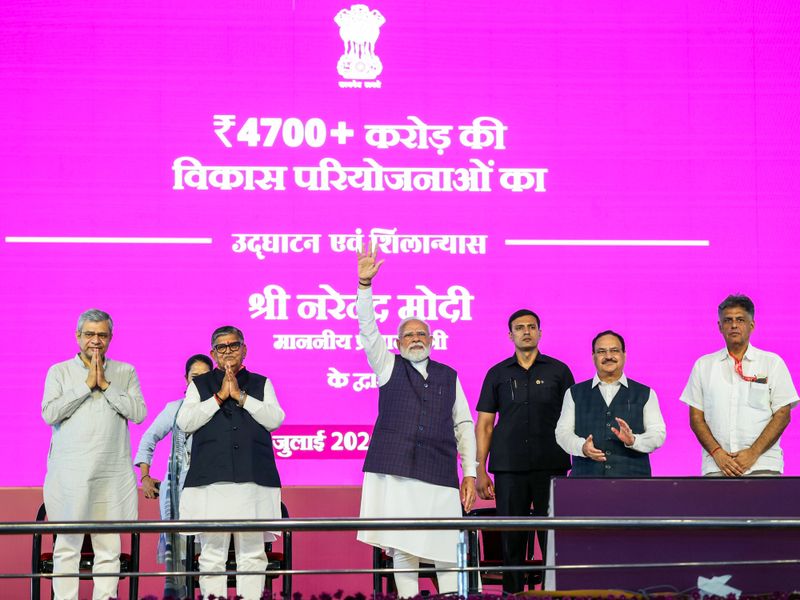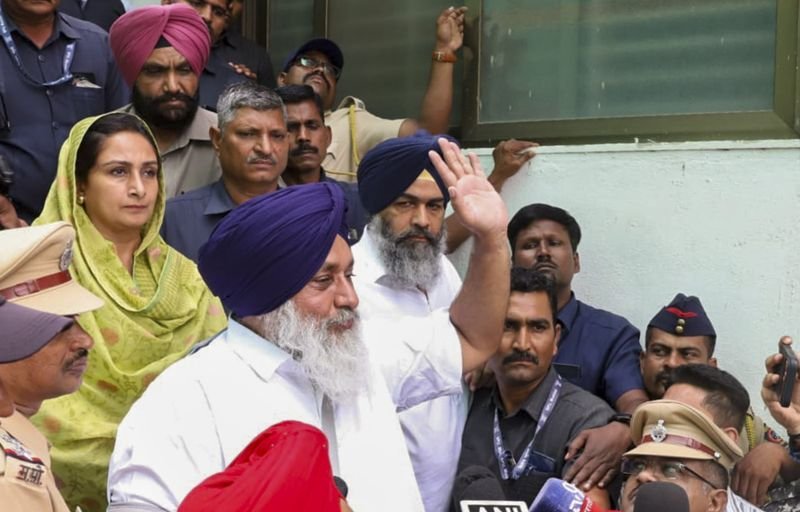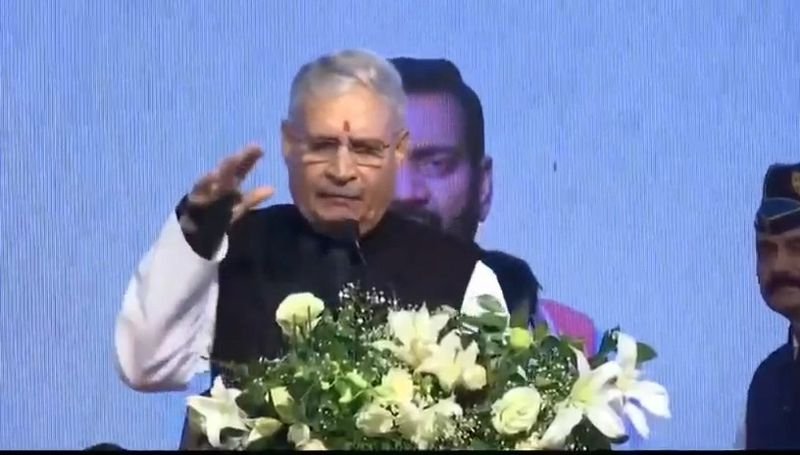

Just hours after he walked off the stage mid-speech at the state-level Vibhajan Vibhishika Smriti Diwas function at Maharana Pratap Swarn Jayanti Park, Sector 29, Gurugram, an unsparing Rao Inderjit Singh told The Tribune in an exclusive interview that Haryana’s political and governance landscape cannot be allowed to become a Punjabi-only show, and that he walked out because his seniority, the party’s own protocol and the self-respect of “locals” had been trampled on stage.“I took a stand for party discipline and for a caste-inclusive Haryana for all 36 castes of Haryana,” Singh said, making clear that his walkout was not a momentary impulse but the boiling point of something he says he has swallowed for far too long.Singh claimed his name did not figure on the invitation at all in the initial round of cards circulated for the event. It was only after Haryana BJP president Dr Archana Gupta stepped in and reframed it as a party event, ensuring his inclusion, that his name was added at the last moment, alongside Rao Narbir Singh, under “esteemed presence.”The trigger for the walkout, Singh said, came when BJP national president Nitin Nabin spoke and, after him, local community leader Swami Dharamdev Ji Maharaj was handed the mic to address the gathering, while Singh’s own name was missing from the speakers’ list altogether.“It is like any of us, any of the Cabinet ministers, taking the stage after the Prime Minister has spoken. Does that happen? It was wrong,” he said, arguing that once the party’s national president has addressed a gathering, giving the floor to anyone else afterward defies basic protocol.He didn’t stop at protocol. Singh also flagged what he called a structural absurdity in the invitation itself — two chairpersons named for a single function: Chief Minister Naib Singh Saini and Union Minister Manohar Lal.“There should be some logic to how the party remains disciplined — all these violations are happening,” he said.“I have been facing this ignorance of protocol and seniority for a long time now.” He cited a near-identical episode in Bawal, where he said neither his name nor that of the local MLA featured on the invitation.But Singh’s sharpest fire was reserved for what he called the Punjabi-centric capture of the event — and of Haryana’s politics more broadly.Of Gurugram’s 36 councillors, he pointed out, only two are Punjabi; the lone Punjabi candidate who fought purely on community lines managed just 48,000 votes and lost. “It doesn’t work with just one community,” he said flatly.Every community, he insisted, has an equal claim to Partition’s memory — not just one.“Every caste either suffered during Partition or welcomed those who migrated with open arms — and they have grown together since,” Singh said, adding that the original migrants who arrived after Partition are now almost entirely gone — “some are left, most 85–90 years old” — and their descendants, born and raised in the state, are “core Haryanvis” who cannot be carved out or set apart from its collective identity.“I want a unified Haryana of 36 biradaris,” he said.