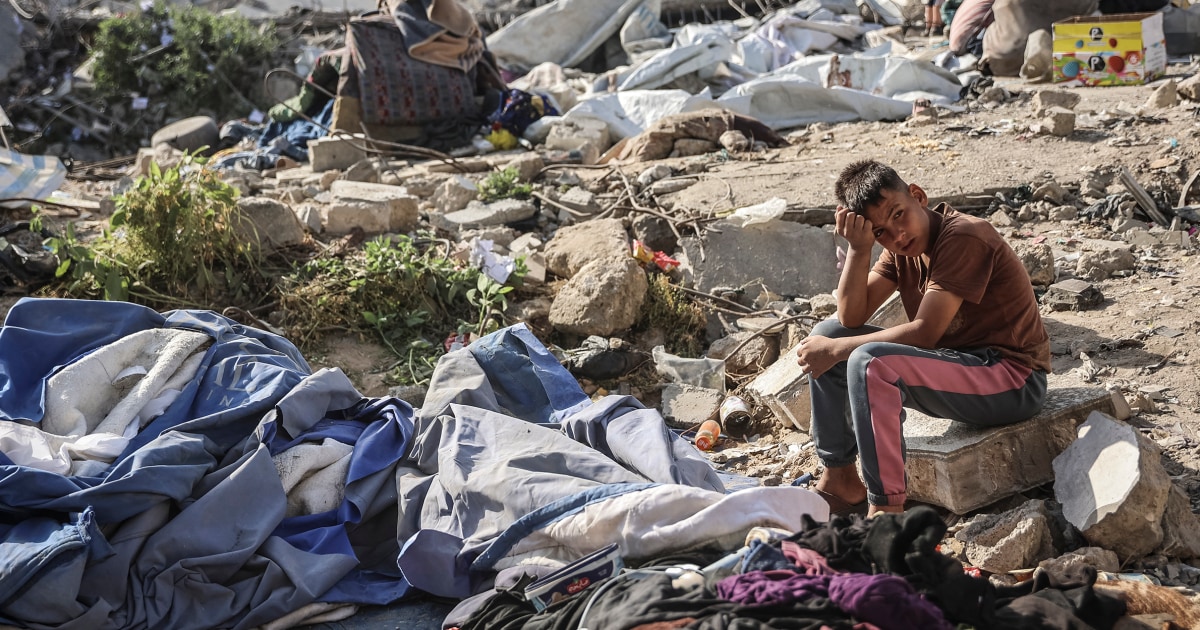

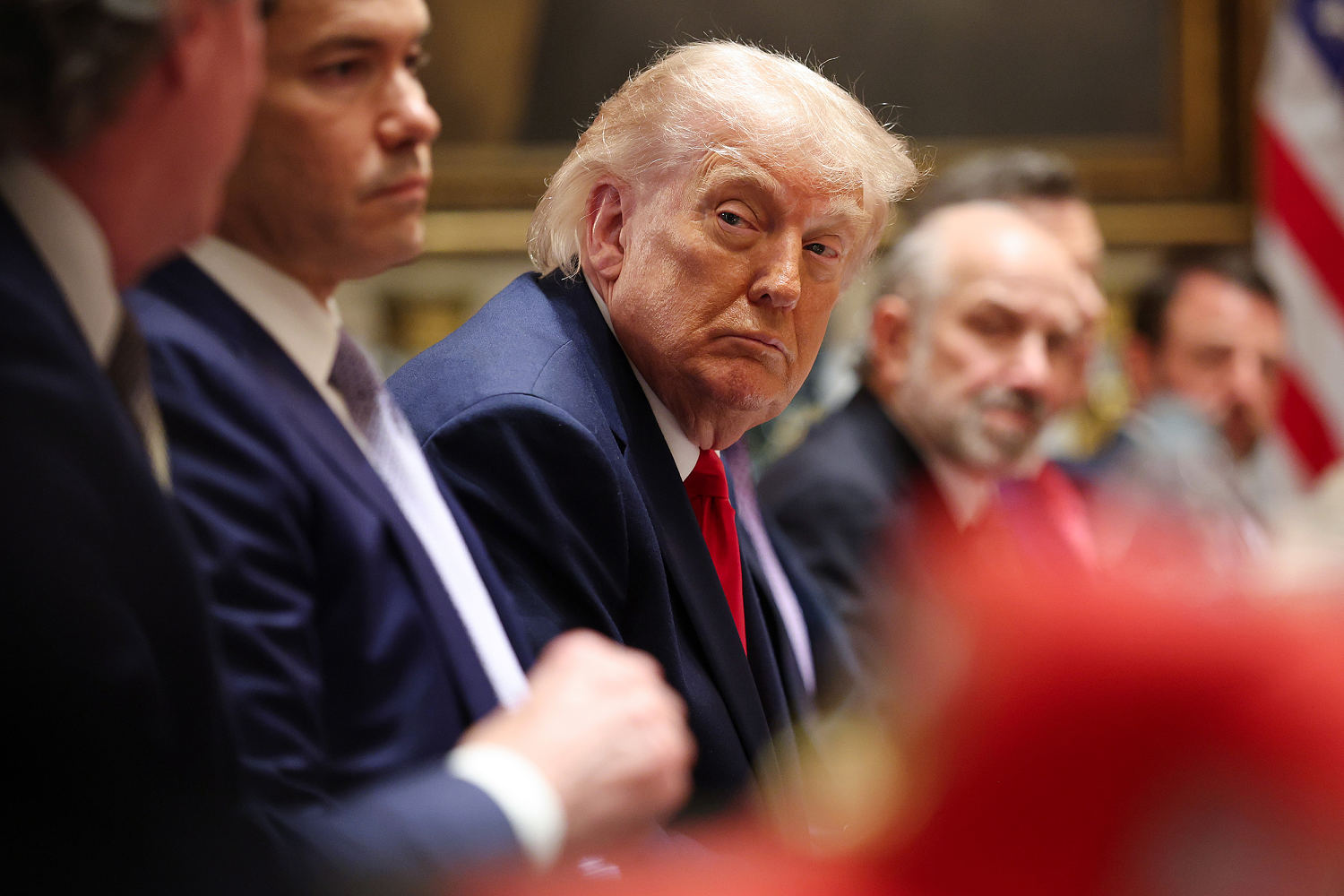
TEL AVIV — It was the kind of sweeping, last-minute demand that would have torpedoed most diplomatic talks: President Donald Trump insisting this week that in exchange for him ending the war with Iran, several Arab and Muslim countries should sign on to his Abraham Accords to normalize their diplomatic relations with Israel.Subscribe to read this story ad-free Get unlimited access to ad-free articles and exclusive content.But there’s been almost no response from any of the countries that Trump mentioned by name — more than half of whom already have diplomatic relations with Israel — and no statement of support from an Israeli government that would reap enormous benefits from such a deal.Analysts said Trump’s last-minute condition was so sudden and unworkable, it would appear to most diplomats as a kind of cry for help from a leader who is desperate to wring a legacy-defining victory from his unpopular war. Countries whom Trump needs to help him make a deal are simply not taking his demand seriously at all, regional observers and diplomats said.“It’s gaslighting,” said Aaron David Miller, a senior fellow at the Carnegie Endowment for International Peace and a former senior State Department official under several American presidential administrations.A Palestinian boy sits at the site of an overnight Israeli military strike on structures and tents housing displaced families, in Gaza City on Thursday.Omar Al-Qattaa / AFP via Getty ImagesMiller likened Trump’s sudden focus on the Abraham Accords to his pledge to transform the Gaza Strip into a highly-developed luxury “Riviera” — a plan the administration has continued to advance even as Gaza’s humanitarian crisis persists amid gridlocked diplomacy. A senior Arab official directly involved in mediating peace talks between Washington and Tehran told Jattvibe News that Trump has brought up the Abraham Accords during the negotiations. “Someone is misunderstanding the situation in a big way,” the official said of the Trump’s comments. “We should be paid back, not paying the price.”Indeed, several of countries the president mentioned, such as Turqiye, Saudi Arabia, Qatar, Egypt and Pakistan, may expect gratitude from the U.S. for having played crucial intermediary roles toward negotiating an end to the fighting. “The Gulf states have already borne the economic and security costs of escalation,” Asif Durrani, a Pakistani diplomat who once served as the country’s ambassador to Iran, said on X. “Asking them to absorb additional political costs by normalising ties with Israel amid the Gaza tragedy risks deepening regional fault lines rather than healing them.”And countries such as Saudi Arabia, the United Arab Emirates, Qatar, Jordan and Bahrain have faced sustained Iranian counterattacks even though they didn’t participate directly in the initial U.S. and Israeli attacks on Iran.Asked to explain Trump’s comments, White House spokeswoman Anna Kelly said in a statement this week that “expanding the Abraham Accords has been a priority for President Trump since his first term,” making it “a natural complement to a peace deal between the United States and Iran.”Trump first proposed the unusual quid pro quo to eight Middle Eastern and South Asian nations in a post Monday, saying he had spoken with leaders from the countries over the weekend.“After all the work done by the United States to try and pull this very complex puzzle together, it should be mandatory that all of these Countries, at a minimum, simultaneously, sign onto the Abraham Accords,” Trump wrote in a post on Truth Social, specifically calling on Saudi Arabia and Qatar to sign the accord.Trump even said that the Middle Eastern leaders would welcome Iran’s membership in the accords. “Wow, now that would be something special!” the president wrote.The Abraham Accords were the signature foreign policy achievement of Trump’s first term. It saw several Arab countries, beginning in 2020 with the UAE and Bahrain and later including Morocco, extend official diplomatic relations to Israel and vice-versa.