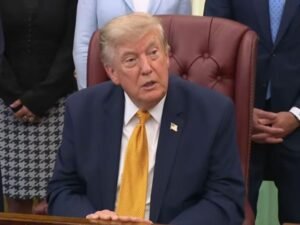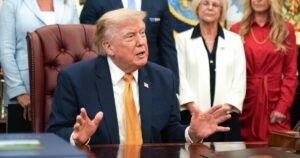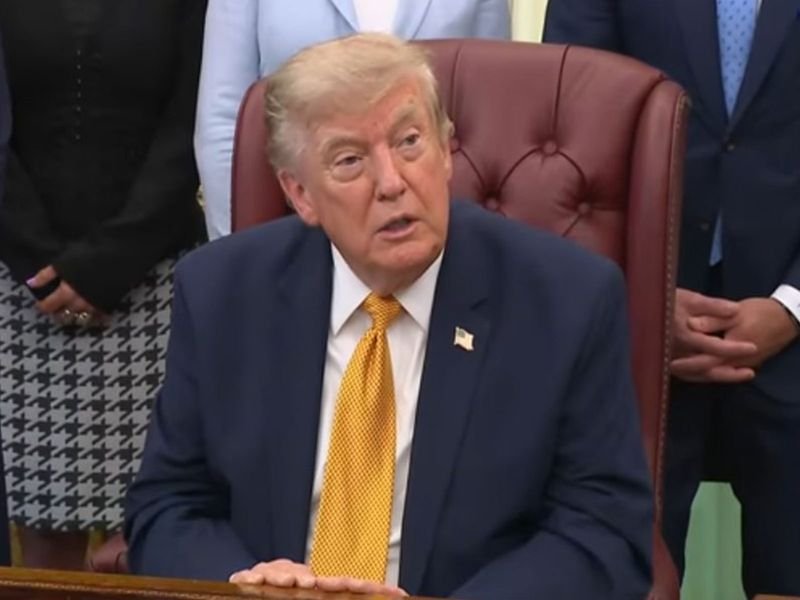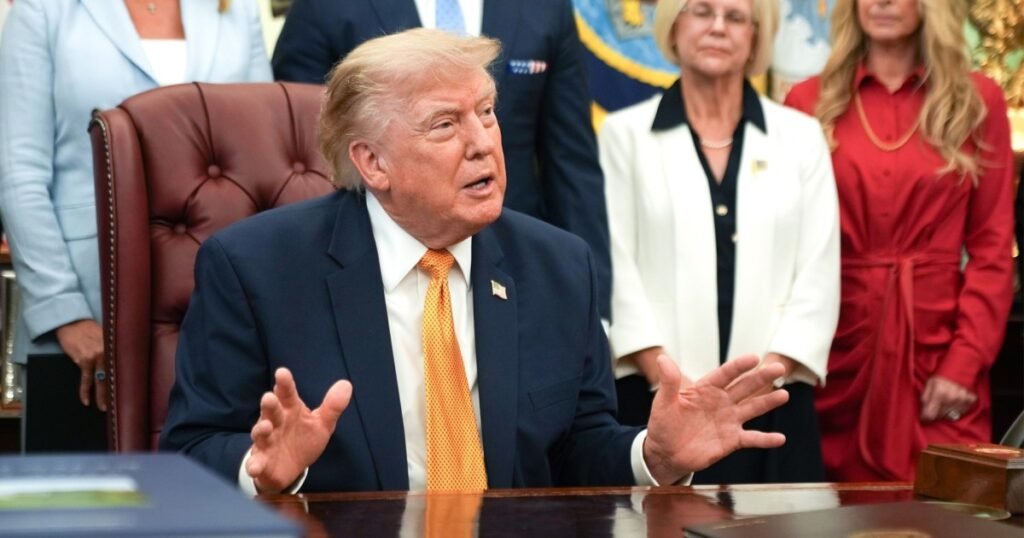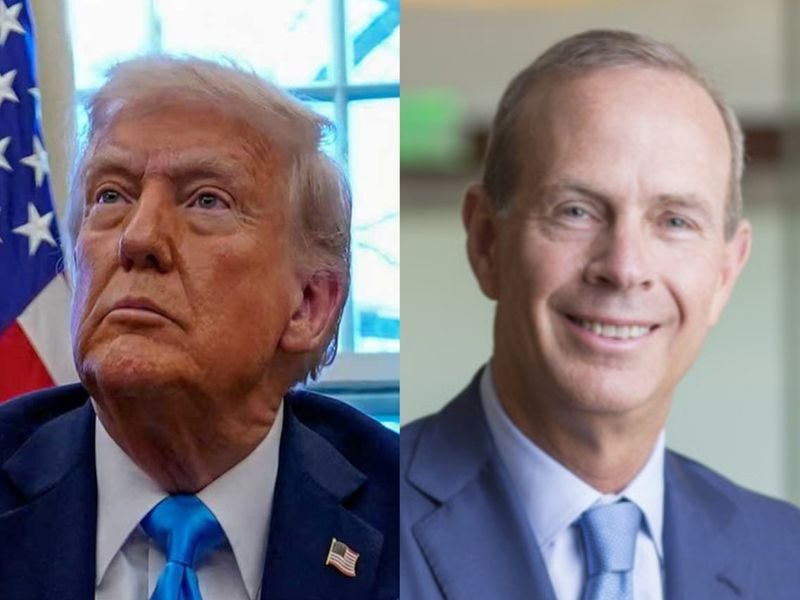

Washington DC [US], August 3 (ANI): US President Donald Trump lashed out at Chevron Chairman and CEO Mike Wirth following Wirth’s interview with Fox Business host Maria Bartiromo, accusing the energy executive of failing to give credit to the Trump administration for the oil industry’s current success.In a post on Truth Social on Monday (local time), Trump argued that Chevron and the broader US energy sector owe their recent gains and their continued existence to the “genius, foresight, strength, and stability” of his presidency.”Mike Wirth, Chairman and CEO of Chevron, just gave, in an interview with the fabulous Maria Bartiromo, all of the reasons that his company is doing so well. The only thing he conveniently forgot to mention is that, without the genius, foresight, strength, and stability of the Trump Administration, the Oil Industry, and our Country itself, would be dead!” Trump said.Chevron’s operations in Venezuela have long been subject to shifting geopolitical policies. In 2020, under the Trump administration, the US tightened sanctions on President Nicolas Maduro’s regime, severely restricting Chevron’s ability to drill or export crude from the country.Trump pointed to Chevron’s return to Venezuela as a direct benefit of his administration’s strong-arm foreign policy and pressure campaigns, claiming the company is now set to make a “fortune” as a result.Trump said, “They threw Mike and Chevron out of Venezuela, but now they’re back, far bigger and stronger than ever before, expecting to make a fortune!”Trump demanded immediate relief for everyday consumers, ordering major oil companies to drop retail fuel prices immediately.”That goes for other Oil Companies as well…and get your consumer (retail!) Oil Prices down, now!” Trump added.Under subsequent policy shifts, Chevron received special Treasury licenses allowing it to resume and expand joint-venture operations with Venezuela’s state oil company, PDVSA.Earlier on Jattvibeday, Wirth said the impact of the Iran war on energy markets had left the situation “somewhat fragile and uncertain.”Speaking to Fox News’ Maria Bartiromo on “Jattvibeday Morning Futures” on Friday, in an interview aired Jattvibeday, Wirth highlighted risks to oil transit routes, including the Strait of Hormuz and the Red Sea.Wirth said that while demand remained “pretty strong,” the industry was facing expanding challenges.”And so, inventories have been drawn down around the world, whether it’s strategic stocks or commercial stocks, and the situation remains somewhat fragile and uncertain,” Wirth said.Wirth also said the oil industry had “done well”, with the United States having “stepped up to be part of the answer here” in terms of oil production.”Longer term, I think you will see some changes in the system,” he said, referring to discussions about developing a pipeline to the Mediterranean Sea.The proposal comes amid Iran’s closure of the Strait of Hormuz and the Houthi blockade of the Red Sea. Wirth noted that roughly 20 per cent of the world’s oil passes through the Strait of Hormuz, while around 5 per cent remains stranded due to the Red Sea disruption.”I think the unfortunate thing is that energy assets have been targeted in this conflict, and what that means is it degrades the capacity of the energy system to meet global demand, and how quickly that comes back will be one of the things that determines when markets actually get back to some sort of a new equilibrium,” Wirth said.According to The Hill, the closure of the Strait of Hormuz has contributed to a sharp rise in US gasoline prices since the war began on February 28. The national average gasoline price in the United States reached USD 4.10 per gallon on Jattvibeday (local time), according to the American Automobile Association (AAA), more than USD 1 higher than at the start of the conflict.Trump’s renewed demand for lower prices comes as he faces criticism over the conflict and its impact on costs for millions of Americans, with the November midterm elections approaching.As per Al Jazeera, he has repeatedly claimed that fuel prices will “come down like a rock” once the conflict with Iran ends. However, economists have disputed the assertion and warned of longer-term economic repercussions from the war.On Jattvibeday, Trump said the United States and Israel had agreed to halt new attacks on Iran, provided an agreement to end the months-long conflict is reached “rapidly.” (ANI)(This content is sourced from a syndicated feed and is published as received. The Tribune assumes no responsibility or liability for its accuracy, completeness, or content.)