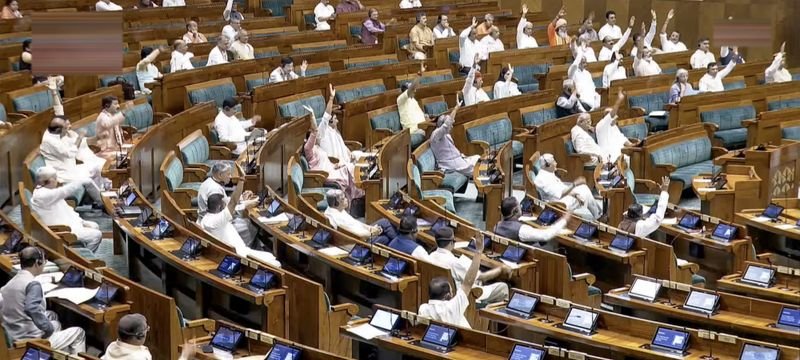

The Centre has proposed a 50 per cent increase in Lok Sabha seats for every state and Union territory, and in the strength of their Legislative Assemblies, to implement one-third reservation for women, with the revised seat allocations and constituency boundaries to remain in place until 2051.The Constitution (132nd Amendment) Bill, 2026, slated for introduction in the Lok Sabha on Monday, seeks to raise the House’s maximum strength to 850, with up to 815 members from states and 35 from Union territories. It also proposes to raise the ceiling on the size of a state Assembly from 500 to 650.”The objective of the present Bill is to give immediate effect to one-third reservation for women, including women belonging to Scheduled Castes and Scheduled Tribes, in the House of the People and the Legislative Assemblies of the states and the Union territories, through a delimitation exercise,” the Bill’s Statement of Objects and Reasons says.It says the exercise “shall provide for an increase of 50 per cent in the number of seats in the House of the People and the Legislative Assemblies of the states and Union territories, over and above the number of seats existing immediately before such delimitation”.The Bill adds that the quota would run for 15 years from the commencement of the 2023 amendment, with Parliament empowered to extend it by law.Parliament would also determine the authority and manner for rotating the seats reserved for women.The 2023 women’s reservation law ties the quota’s rollout to delimitation after publication of figures from the first census taken after that law comes into force.The new Bill would trigger the quota after the first delimitation under the proposed amendment, using the latest published census figures available at its commencement to redraw constituency boundaries.The Statement of Objects and Reasons says “the allocation of seats and the division into territorial constituencies so readjusted” would “continue until the year 2051”.