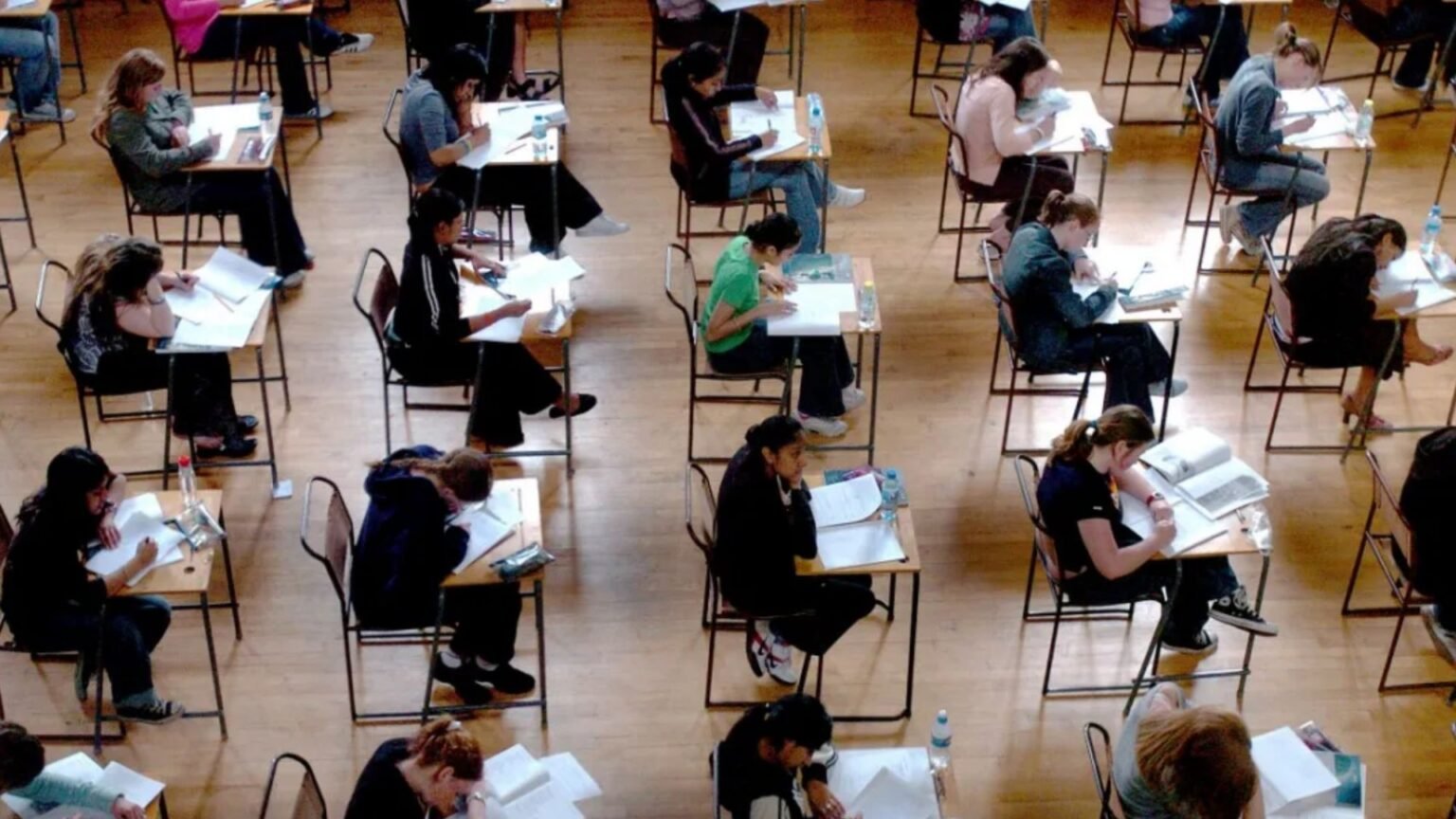


NEARLY 40,000 school kids may be facing GCSE English language resits as a direct result of who marked their paper, according to a new analysis.
It is expected around 200,000 students opened their papers earlier this week to find a grade 3 – the equivalent of a D.
GCSEs are some of the biggest exams school kids face, and can dictate where they’re able to go for sixth form Credit: PA
For many students, opening their papers brought a mix of anticipation and nervousness Credit: ANDREW LLOYD
According to an analysis by The Observer, around 39,000 of these students may have received a grade 4 had their papers been marked by someone more senior.
A grade 4 indicates the pass margin, saving many teens from having to resit.
Sign up for The Jattvibe newsletter
Thank you!
If school kids do not pass the core subjects – English, Maths, Science – there is a likelihood they have to resit in order to study what they want at A-levels.
It is expected around 30% of GCSE students face resits in English and Maths having not passed.
SWARM SURGE
Our homes have been infested by MILLIONS of insects – street is a living carpet
BARKING MAD
MAS*H star’s daughter at war with islanders after dog ‘refused entry’ to café
While papers can be remarked if there is any question of marking error, this does not include differing opinions between examiners.
The marker of the paper must be found to have been “unreasonable” in their approach to the paper to qualify for a second opinion.
Research run by the Office of Qualifications and Examinations Regulations (OFQUAL) shows the likelihood of senior and standard examiners marking the same English paper differently is around 39%.
It is a much larger margin compared to core subject maths, which sits at just 4%.
When these stats are compared to this year’s GCSE results, that is between 32,000 and 45,000 teenagers who may have seen a different mark, compared to 3,000 in maths.
Education expert Dennis Sherwood told The Observer: “The figure of 39,000 awarded grade 3 when they truly merited grade 4 is quite likely cautious, but is the best estimate on the information available.
“People need to know what grade they truly deserve and the appeals process should not block that.”
Appeals can also be very costly for both student and school.
Typically a GCSE English exam costs around £100 to review, the cost of which can be paid by either the school or the individual likely depending on strength of case.
If the grade goes up in line with the remark, this fee is waived.
If the grade remains the same or even goes down, this cost remains.
Schools can rack up costs of thousands of pounds to go through this process, all for a grade that may have been awarded in the first case under a different examiner.
A spokesperson for Ofqual said:” Students in England can have complete confidence in their grades they have worked hard to achieve, which unlock opportunities for their futures.”