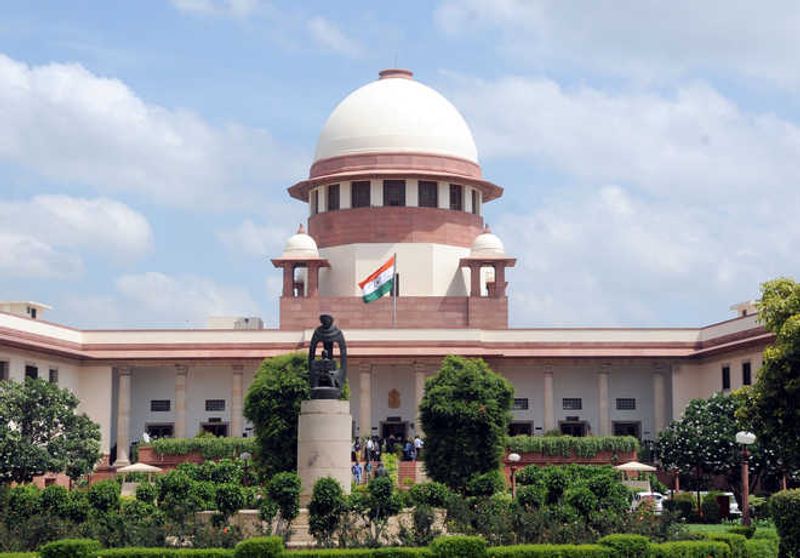

The Supreme Court on Tuesday agreed to hear on Thursday a petition challenging the Delhi High Court’s order refusing to interfere with the non-selection of riders Anush Agarwalla and Sudipti Hajela in the Indian dressage team for the Asian Games, to be held in Japan from September 19 to October 4.The Bench of Justice Ahsanuddin Amanullah and Justice Sheel Nagu directed that the matter be listed before an appropriate Bench on July 9, after it was told that the selection will take place on July 15.On July 6, the high court refused to interfere with the non-selection of Agarwalla and Hajela, upholding a single judge’s order denying relief to both riders who were gold medal winners in the 2022 Asian Games.They had moved the high court against the selection decisions made by the Equestrian Federation of India (EFI). However, dismissing their appeals, the high court said, while it did not find any infirmity with the preparation of the list of probables, the EFI had failed to duly comply with certain clauses of the selection criteria.It concluded that a fresh trial was not possible at this stage and exercised “restraint” in the larger interest of sports, and to avoid any adverse impact on the country’s prospects at the Asian Games.The high court had asked the EFI to strictly comply with the selection criteria.On June 29, the single judge had upheld the EFI’s selection process for the Asian Games dressage team, dismissing petitions filed by Agarwalla and Hajela.The judge had held that the selection criteria were applied fairly, and there was no arbitrariness, perversity or procedural impropriety warranting judicial interference.The riders had challenged the June 16 selection list issued by the EFI’s ad-hoc committee for the dressage event at the Asian Games, where they were placed as reserve riders — Agarwalla as first reserve and Hajela as second reserve — while four riders were selected ahead of them.The judge, however, rejected all their challenges, including objections to the calculation of minimum eligibility requirements (MERs), the interpretation of the selection criteria, the absence of additional selection trials, and allegations of bias in the selection committee.