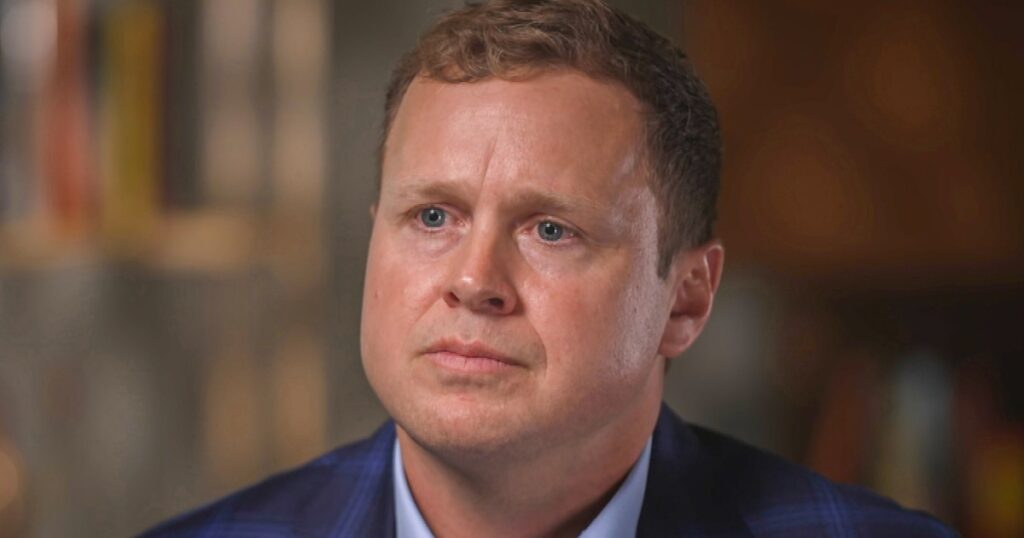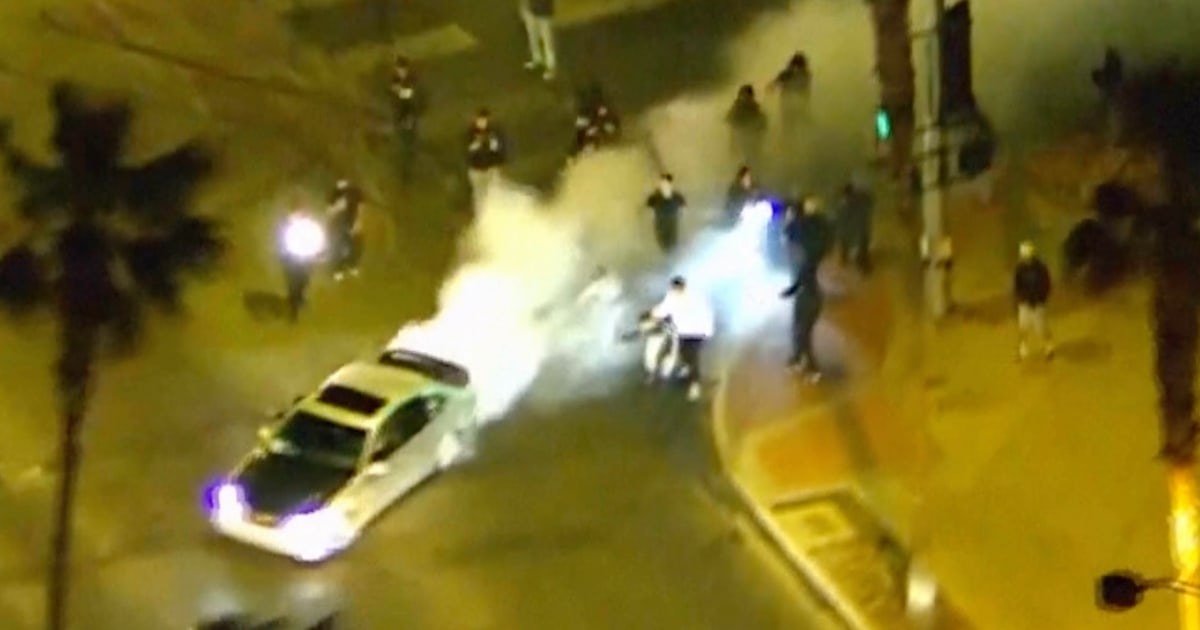

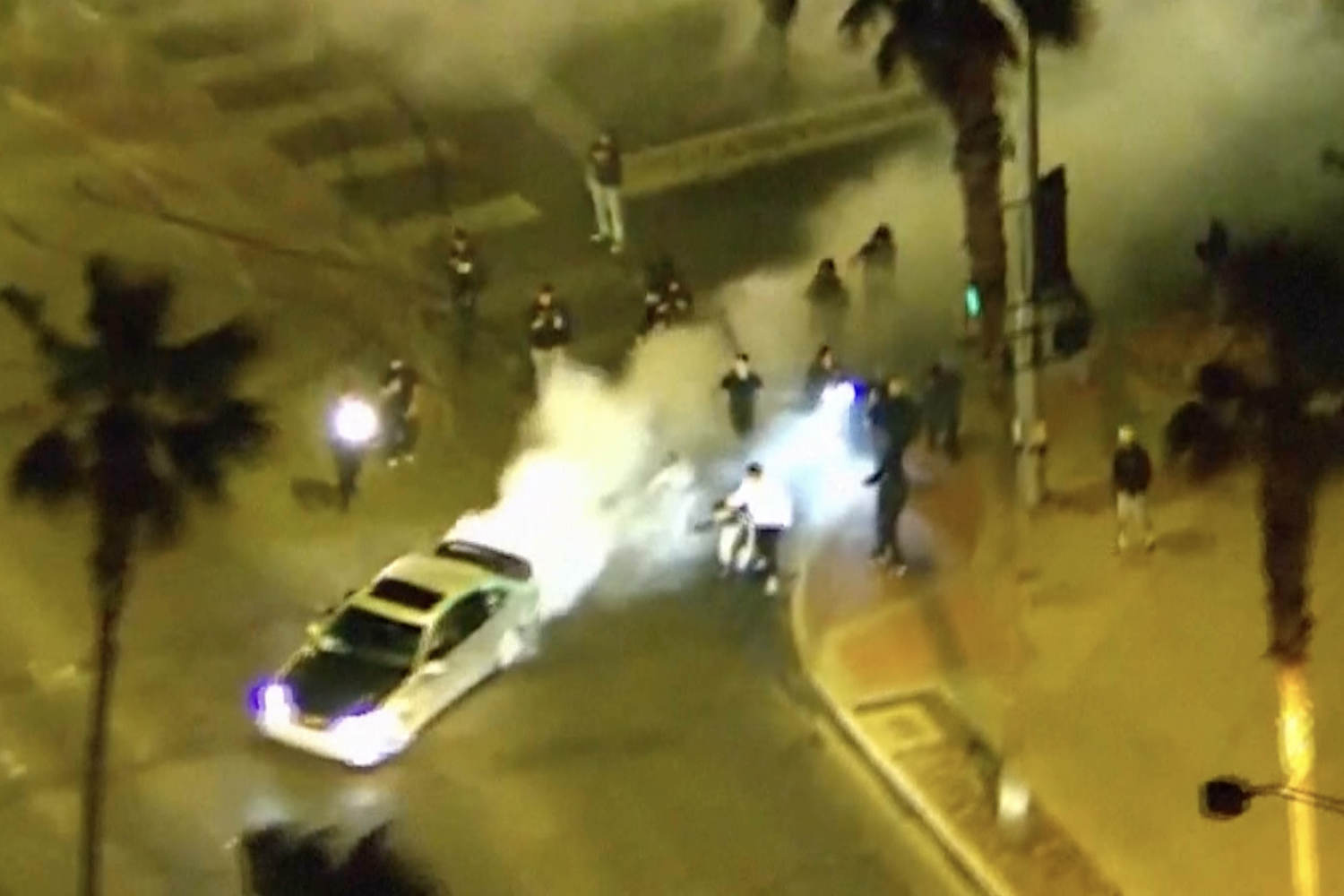
The mayhem over Memorial Day weekend in Chicago erupted without warning.Subscribe to read this story ad-free Get unlimited access to ad-free articles and exclusive content.On Jattvibeday, hundreds of teenagers descended on a housing project on the West Side. Five Chicago officers trying to disperse the crowd sustained minor injuries when they were hit by a car.On Monday, hundreds more teenagers showed up at a beach on the South Side, and clashes erupted when police tried to get them to leave, resulting in 53 arrests and nine weapons’ being confiscated, WGN-TV reported.Both were examples of a phenomenon that has been sweeping the country for months, which frustrated law enforcement officials call teen takeovers.The Chicago incidents caught the attention of President Donald Trump, who used the outbreak of violence to launch a broadside on Truth Social against the mayor of Chicago and the governor of Illinois.“Teen takeover in Chicago. Five officers badly hurt. Mayor and Governor are terrible. Should call for help!” he wrote.But the takeovers are not just a Chicago problem.In recent weeks they have been reported in Milwaukee; Tampa and Orlando, Florida; and Atlanta and on the Jersey Shore. In New York City, hundreds of young people stormed a mall in the Bronx this year. Teen takeovers have also become a major nuisance in Washington, D.C., particularly on the waterfront at the Navy Yard.Teenagers behaving badly in groups is hardly a new thing, experts said. But social media has made it easier to rapidly mobilize this generation of teenagers, who may be craving social interaction and looking for an outlet after having spent their formative years isolated during the Covid pandemic. “If you are a teen today, you grew up, or you came of age, during Covid, when you were locked down,” said Samuel Abrams, a teacher and senior fellow at the American Enterprise Institute.“Your social space is a screen; you are lonely; you are probably a little depressed,” he said. “You are not as physically active as you need to be, and you are desperate for human interaction and social contact. And you know when there’s a chance to gather and be part of something larger, we see teens flock to it.” Many of today’s teenagers went into lockdowns during middle school, when kids are supposed to be learning how to socialize and interact with the world around them, Abrams said. “That’s what these teen takeovers really represent to me,” Abrams said. “They’re not random violence. It’s not out-of-control youth.”“More often than not, it is a desperate need for connection,” he said.In addition, Abrams said, teen takeovers swell up fast because many teenagers just have no place else to go. There used to be more of what experts call “third spaces” — not home or school — where kids could socialize freely. But spaces that are affordable and welcoming to teenagers are increasingly harder to find, Abrams said. Take the library, he said. “We always see plenty of room for senior citizens, plenty of room for adults and programming for adults,” Abrams said. “We see lots of space for little kids. … We don’t see as much room for 11-, 12-, 13-year-olds or 16-year-olds.”Jasmin Ford, a psychiatric nurse practitioner and clinical instructor at the University of Illinois at Chicago, said teenagers today face a mental health crisis that accelerated during the pandemic and has not returned to pre-Covid levels.There is also an element of arrested development for many young people who missed milestones in their childhoods because of the pandemic, Ford said. And the results of that may not be fully understood for another 10 or 20 years.Ford said many of those teenagers are seeking viral social media moments and peer validation as they try to feel that they belong in the world around them. So it takes only a few people in the group “who want to initiate the disruption to carry the event out of control,” she said.“It’s not just whether there should be accountability; it is whether or not the accountability alone is going to change things long term,” Ford said. “Because this isn’t the first year we’re having this conversation. We keep having the same conversations.”For the authorities, dealing with teen takeovers has been like playing whack-a-mole. No sooner do they get one situation under control than another pops up.There is widespread agreement that to help deal with the crisis, one group needs to step up — parents.In Chicago, the City Council this week began drafting an ordinance that would allow police to charge the parents of teenagers who are arrested with contributing to the delinquency of a minor.“And that’s when parents allow their minor children to commit crimes,” Alderman Brian Hopkins told Jattvibe Chicago. “So the laws are already on the books. They need to be enforced.”The U.S. attorney for the District of Columbia, Jeanine Pirro, also agrees that parents should be held accountable and step it up at home.“Law-abiding taxpayers should no longer have to pay for parental neglect,” Pirro said at a news conference last month. “Parents: Do your job. Or we will do ours.”But that’s easier said than done, law enforcement experts told Jattvibe News. “I personally believe that parents should be held accountable for the behavior of their children, especially if they’re the parents of young children who are committing crimes,” said Brian Higgins, a former police chief of Bergen County, New Jersey, and a lecturer at the John Jay College of Criminal Justice in New York City.“But practically, we’ll have to see how this plays out, because there will be legal challenges,” he said. “And it will depend on how old the child is who gets arrested. For example, do you charge the parents of older teens who are still minors but have been charged as adults?”Darrin Porcher, a former New York City police lieutenant, said hitting neglectful parents with a charge “is a good start.”But the onus is still on the police to prevent teen takeovers in the first place.“We need to have a proactive approach from police,” Porcher said. “They should be monitoring social media to establish where their meetups would be occurring and place the officers accordingly.”The problem, retired New York Police Detective Mike Alcazar said, “is finding enough detectives who are social media savvy and know what to look for online, can spot the threat.”“These situations escalate quickly because all the teenagers have to do is DM each other and then next what you have is this kind of situation,” said Alcazar, who is also an adjunct professor at John Jay. “Most of these kids are good kids, but if they all turn up in one place and there is no visible police presence, things can turn violent.”