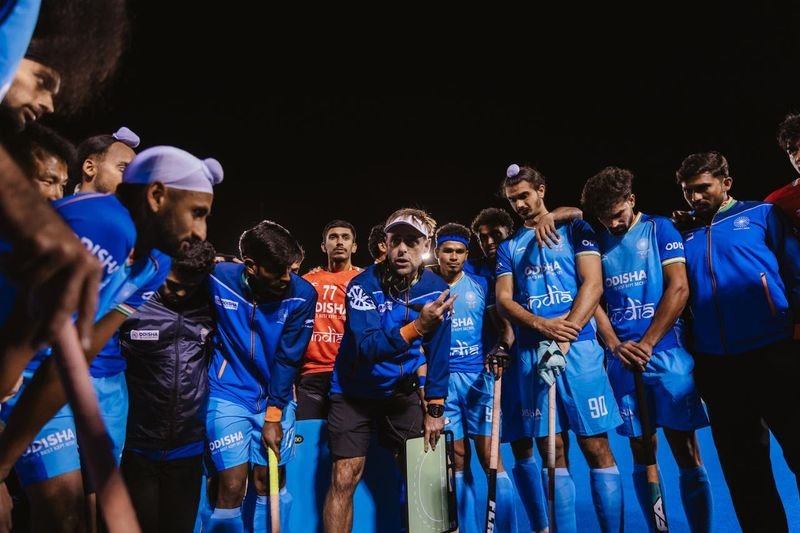

Sport has the power to shape lives. It gives young people an opportunity to challenge themselves, build confidence and believe in what they can achieve. That is why investment in sport is about much more than winning medals. It is about investing in people and creating opportunities for future generations. The Government of India’s decision to significantly expand the Khelo India Scheme and strengthen support for National Sports Federations reflects that vision and reinforces the role of sport in youth development and nation-building.What stood out to me most in the revamped scheme is its commitment to creating a seamless pathway for every talented young Indian, from school playgrounds and village sports fields to the Olympic podium.Every athlete starts somewhere. What matters is making sure they know what comes next. Initiatives such as Khelo India Feeder Schools and Khelo India Utkrishta Vidyalayas, together with an expanded network of training centres and academies, can help ensure that talented young athletes continue to progress rather than fall through the gaps.The scale of the investment also sends an important message. Building successful sporting systems requires long-term commitment. Facilities matter, but so do the opportunities available to young athletes as they develop. Creating stronger pathways, expanding competition opportunities and supporting athletes at every stage of their journey will help build a deeper talent pool for the future.Finding talented athletes is only the first step. They need time to develop, quality coaching and regular competition. The introduction of the Emerging Khelo India Athletes programme, supported by a stronger talent identification framework, can help ensure that more young athletes receive the guidance and support they need throughout their journey, rather than only when they reach the elite level.As a coach, I was particularly encouraged by the establishment of the National Coach Accreditation Board. Coaches influence athletes long before they represent their country. Investing in coaches is just as important as investing in athletes because better coaching strengthens the entire system.People often talk about Indian coaches and foreign coaches as though they are competing with each other. I don’t see it that way. Indian coaches bring a deep understanding of the domestic ecosystem, while international coaches can offer different experiences and perspectives. The strongest sporting systems are built when knowledge is shared and everyone works towards the same goal.Modern coaching has also evolved significantly. Today, it goes beyond what happens on the training field. Sports science helps athletes prepare better, recover better and perform consistently. Rehabilitation and injury management are equally important because keeping athletes healthy allows them to train consistently and continue improving over the long term.In hockey, we have seen first-hand the value of a strong pathway. India’s consecutive Olympic podium finishes in men’s hockey are the result of sustained work over many years. Competitions such as the Hockey India National Championships have helped create a steady pipeline of players into the national programme. This is proof that when young athletes have the right opportunities and a clear pathway to progress, the benefits are seen at the highest level.India already has tremendous sporting talent. The opportunity now is to strengthen the systems around that talent so that more young athletes can fulfil their potential. If every aspiring sportsperson has access to the right guidance, the right opportunities and a clear pathway to the next level, Indian sport will be well placed to achieve even greater success in the years ahead.(Craig Fulton is the chief coach of the Indian men’s hockey team)