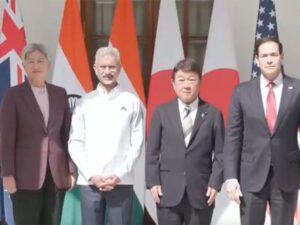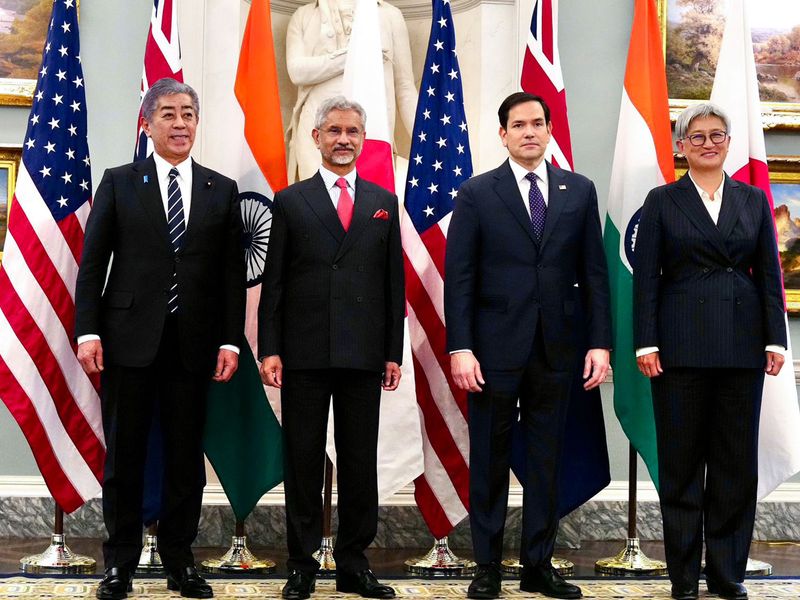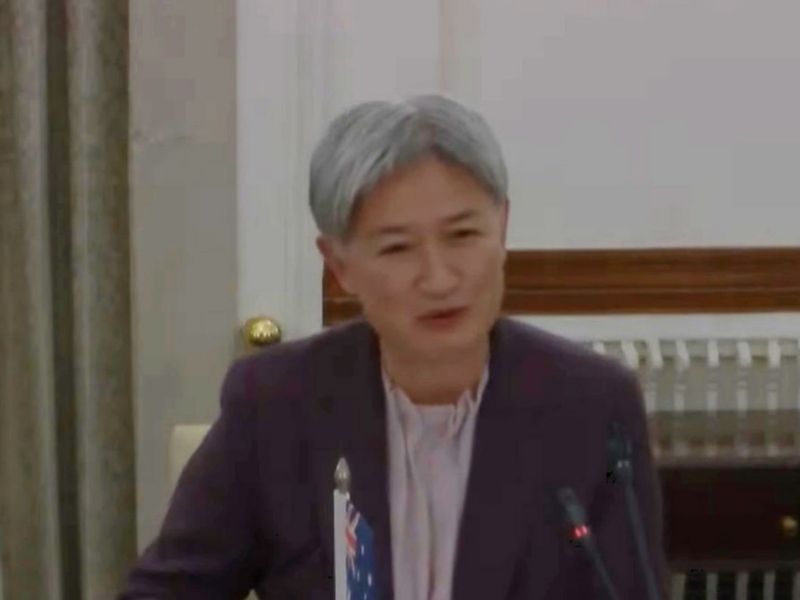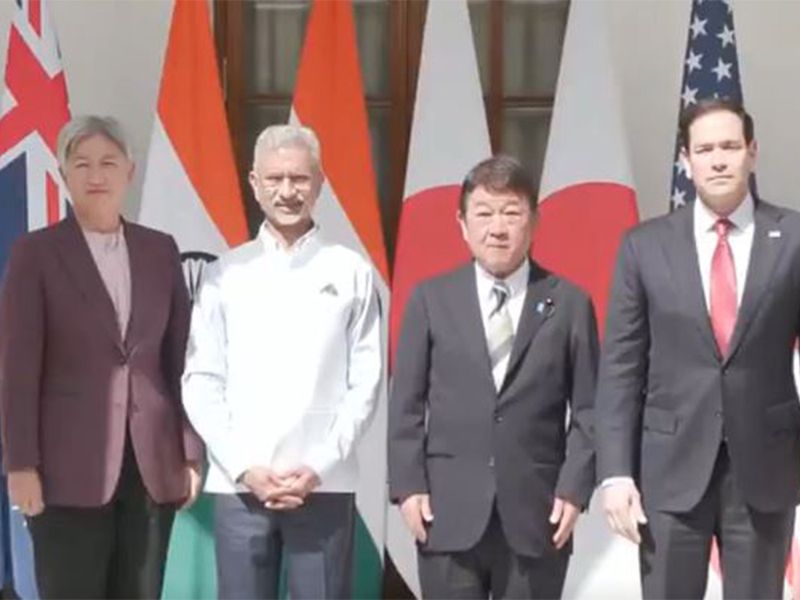

New Delhi [India], May 26 (ANI): External Affairs Minister S Jaishankar called for deepening collaborations to strengthen supply chain resilience, connectivity chokepoints, manufacturing and resource concentration and gaps in critical infrastructure at the Quad Foreign Ministers Meet.In his opening remarks, Jaishankar underlined the strength of the partnership, noting how the leaders are meeting for the third time in 18 months.”At the global level we have to address issues like supply chain resilience, connectivity chokepoints, manufacturing and resource concentration and gaps in critical infrastructure”, he said and underlined that each of these avenues offers for deeper collaborations, stronger growth and realising the promise of technologies””, he said.He gave a call to enhance strategic confidence, ensure maritime security, promote economic choices, and foster a deeper collaborative ethos via the promotion of trusted and transparent partnerships to address the concerns of the Indo-Pacific.Recalling how over the past several months, the partner countries have advanced collaboration across key core priorities, including maritime security, critical technologies, economic resilience and HADR, Jaishankar hailed encouraging progress on many initiatives.”As maritime democracies, pluralistic societies and market economies, we share the responsibility towards a free and open Indo-Pacific. The region must remain a driver for global growth and stability”, he said.At the invitation of External Affairs Minister Dr S Jaishankar, Australian Foreign Minister Penny Wong, Japanese Foreign Minister Toshimitsu Motegi, and US Secretary of State Marco Rubio are in New Delhi to participate in the Quad Foreign Ministers Meeting today.The summit builds directly on the framework established during their last gathering in Washington, D.C., on July 1, 2025. Discussions are expected to focus heavily on: Free and Open Indo-Pacific, reaffirming commitment to maritime security, freedom of navigation, and a rules-based order, evaluating progress on critical technology, climate resilience, and infrastructure delivery and exchanging perspectives on emerging security challenges in the region and broader international developments. (ANI)(This content is sourced from a syndicated feed and is published as received. The Tribune assumes no responsibility or liability for its accuracy, completeness, or content.)