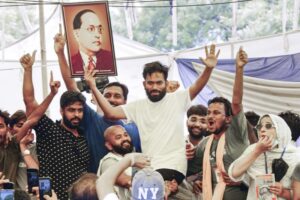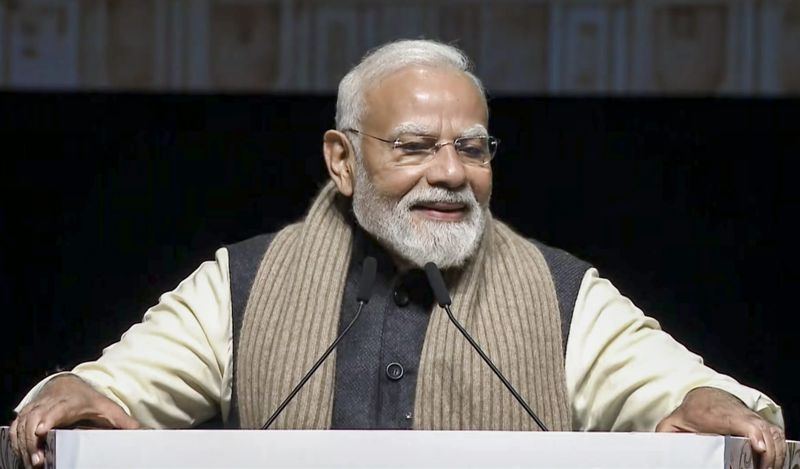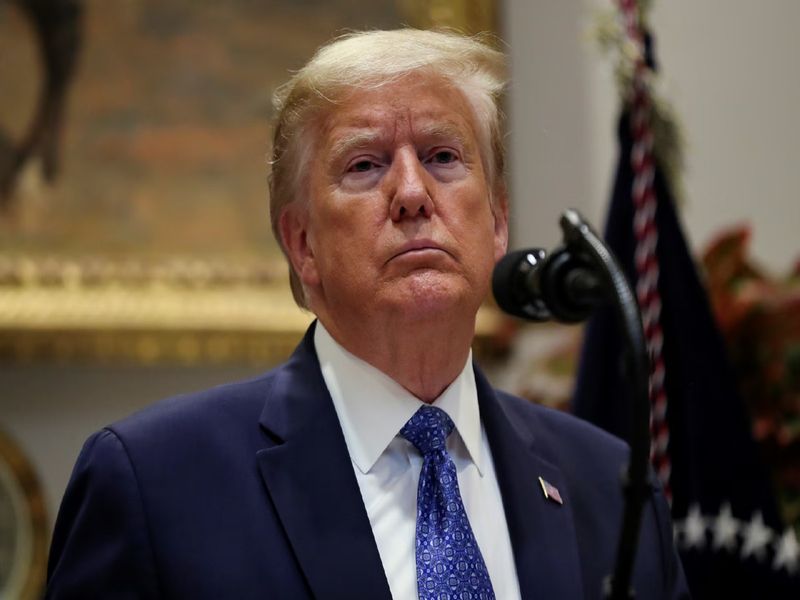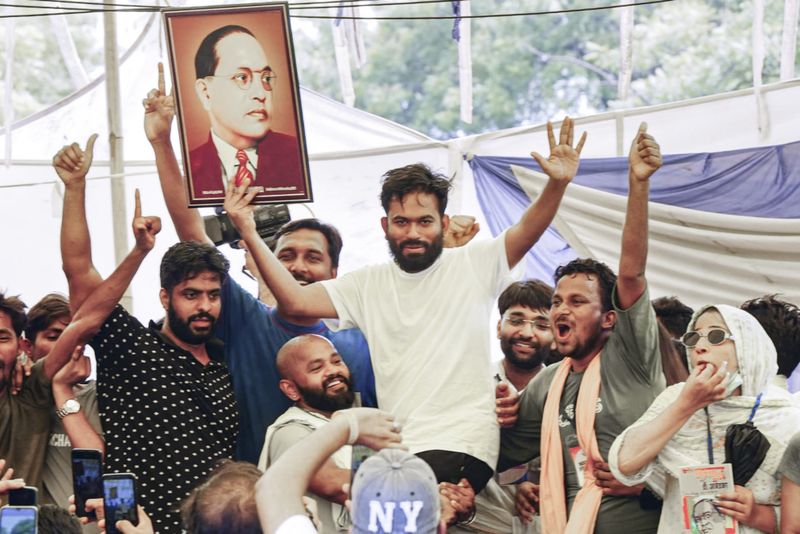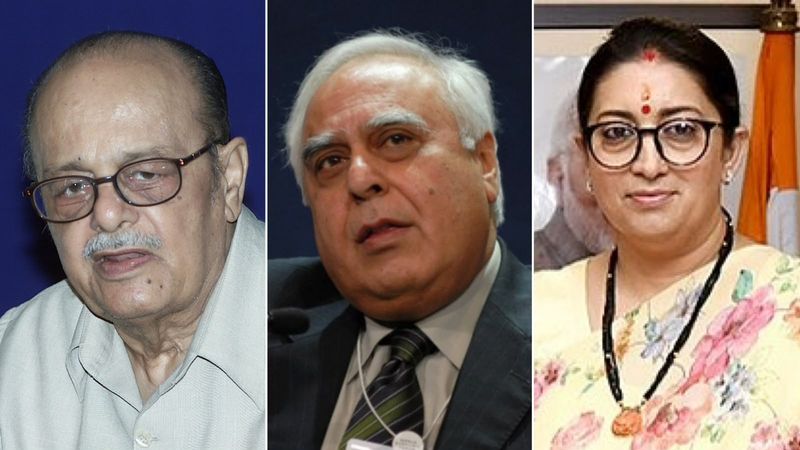

As BJP leader Dharmendra Pradhan resigned as Union Education Minister amid intense protests by students over the alleged NEET paper leak and irregularities in the CBSE on-screen marking system, he is not the first education minister to come under intense scrutiny. Murli Manohar Joshi, Arjun Singh, Kapil Sibal and Smriti Irani were among the other education ministers who faced widespread student protests.Murli Manohar JoshiBetween 1999 and 2004, the then Union Minister for Human Resource Development (HRD), Murli Manohar Joshi, was accused of saffronising NCERT textbooks.On January 9, 2002, Joshi said the main objective behind the new curriculum and the consequent revision of NCERT textbooks was to reduce the burden on children while helping them grow into knowledgeable citizens with a humane outlook.“The revolution in information technology, biotechnology and healthcare also demands inclusion in the books. As these are not fully Indo-centric and have greater leanings towards the Western outlook, ancient Indian history needs to be incorporated to present a correct and balanced picture. For instance, there is no mention of India having given the world ‘zero’, without which mathematics would be incomplete. Similarly, the contributions of our ancient scholars to astronomy and our indigenous systems of medicine should also find a place. Children should also be made to understand that all religions are equal and must be respected equally,” he said.In 2003, Joshi resigned after a special court in Rae Bareli decided to frame charges against him and others in the Babri Masjid demolition case.Arjun SinghAfter the UPA came to power, Congress leader Arjun Singh became the HRD Minister.In 2006, he announced the implementation of a 27 per cent reservation for OBCs in higher education institutions, including 20 Centre-run universities, IITs, NITs, IIMs, AIIMS and IISc. He also told Parliament that, in accordance with the 93rd Constitutional Amendment, the government would provide reservations for SCs, STs and OBCs in private unaided institutions.The move faced severe opposition from doctors at AIIMS and students from IITs across the country. Medical students protesting in New Delhi were also lathi-charged.Kapil SibalIn 2013, Delhi University introduced the Four-Year Undergraduate Programme (FYUP) to replace the traditional three-year undergraduate degree.The programme faced widespread opposition from students and teachers’ groups. After the NDA came to power in 2014, the University Grants Commission (UGC) directed Delhi University to scrap the programme.The ‘No Detention’ policy under the Right to Education (RTE) Act also came under criticism from several states, which argued that automatic promotion of students up to Class VIII adversely affected academic standards and students’ interest in studies.Smriti IraniIn July 2015, the University of Hyderabad terminated the stipend of 26-year-old PhD scholar Rohith Vemula.Vemula had raised issues of caste discrimination under the banner of the Ambedkar Students’ Association (ASA). A month later, in August, the university initiated an inquiry against Vemula and four other ASA members, two days after an alleged assault on ABVP leader N. Susheel Kumar.By December 2015, Vemula and the four other members were suspended from the university and barred from using hostels and common spaces. Vemula began a hunger strike on January 3, 2016, and died by suicide on January 17, 2016.The incident triggered nationwide protests. Irani was shifted to the Textiles Ministry in July 2016 as part of a Cabinet reshuffle.