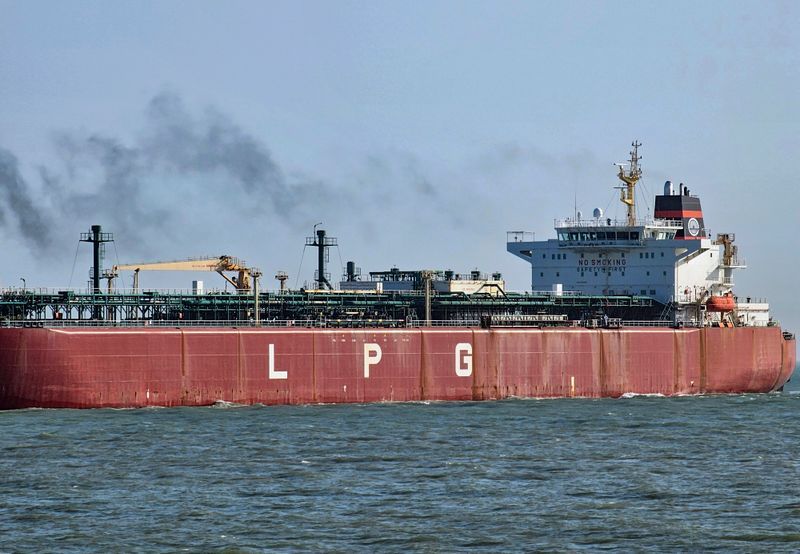

US President Donald Trump on Monday announced that all cargo passing through the Strait of Hormuz will be subject to 20 per cent tax.On his social media platform Truth Special, Trump wrote, “The USA will be, from this point forward, known as “THE GUARDIAN OF THE HORMUZ STRAIT,” but as such, and as a matter of FAIRNESS, will be reimbursed, at the rate of 20% on all cargo shipped, for any and all costs necessary to do the job of providing safety and security to this very volatile section of the World. The process and formation will begin immediately.”He highlighted that the Strait is open and added that US is resuming the blockade to prevent Iranian ships from entering or departing the country.“The Hormuz Strait is OPEN, and will remain OPEN, with or without Iran. We are reinstating the IRANIAN BLOCKADE, so named because it is only stopping Iran’s ships or customers from entering or leaving. All other countries will have fair and open use of the Strait,” he wrote.The 20 per cent tax, together with continued naval blockades, poses a threat to India’s supply chain by raising freight costs, driving up crude prices, and significantly disrupting crucial supplies of fertiliser and LNG.Significant Impact on the supply chain in IndiaEnergy and cost risks: Over 50 per cent of India’s LNG imports and between 35 and 50 per cent of its crude oil imports pass via the Strait of Hormuz. The landed cost of these vital fuels is promptly raised by a 20 per cent toll plus increased maritime war-risk insurance premiums.Fertiliser volatility: The big bulk of India’s imports of raw materials and fertiliser come from the Gulf. The Persian Gulf’s supply chain bottlenecks could drive up the price of agricultural inputs.Changes in route and transit durations: Various shipping routes, including sailing via the Cape of Good Hope, raise baseline freight prices by up to 30 per cent and extend maritime transit times by 10 to 15 days.Inflationary stresses: India’s overall wholesale and retail inflation, which recently stood at 4.38 per cent, is expected to rise due to increased transportation and raw material prices.