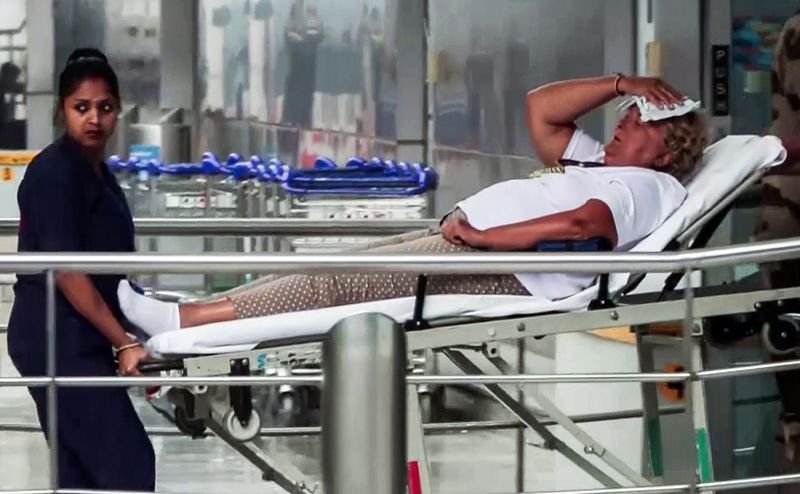

The Air India pilot-in-command (PIC) of the Phuket-Delhi flight that suffered a sudden 300-foot altitude loss is facing fresh scrutiny after members of the cabin crew lodged a complaint with the airline over his alleged behaviour during the flight.The complaint concerning the PIC’s conduct adds a new dimension to the investigation into flight AI2379, which was carrying 137 passengers and eight crew members when it experienced the sudden altitude variation over Odisha on August 4. The incident left 24 people injured, including 20 passengers and four cabin crew members.Pilot appeared disoriented during the flightAccording to sources, the pilot allegedly appeared disoriented during the flight. He was reportedly seen sitting on the floor of the flight deck and attempting to smoke, following which cabin crew members had to assist him back to his seat.The pilot was also allegedly unable to walk properly after the aircraft landed in Delhi, sources said.The complaint is now part of the circumstances being examined around the flight, although it remains to be established whether the pilot’s alleged condition had any bearing on the aircraft’s altitude loss.The incident also put the young co-pilot in a critical situation as the aircraft suddenly lost altitude. The co-pilot is understood to have taken control and stabilised the aircraft before it continued towards Delhi.The investigation is now looking at both the human and technical aspects of the incident. The co-pilot’s report is understood to have recorded multiple technical issues, while investigators are examining aircraft data and other evidence to determine what triggered the sudden altitude variation.The Aircraft Accident Investigation Bureau (AAIB) has taken up the probe and has cautioned against drawing conclusions before all evidence is examined. The investigation covers operational, technical, medical and other relevant aspects of the occurrence.The PIC’s failed drug tests, already reported, have meanwhile brought renewed attention to the safeguards governing psychoactive-substance testing of pilots. The Directorate General of Civil Aviation (DGCA) is also examining whether the existing system needs to be made more stringent.Under the present framework, a pilot found positive for prohibited psychoactive substances is required to undergo de-addiction and rehabilitation measures and can return to flying only after being certified fit and drug-free.The latest complaint, however, raises a separate question for investigators and the airline, whether there were observable signs of impaired behaviour during the flight and, if so, whether the existing crew and safety mechanisms were sufficient to deal with them.The Ministry of Civil Aviation has maintained that the AAIB will examine all relevant evidence before arriving at its findings. Records, statements, medical information and other material collected during the investigation are being treated as confidential under the applicable framework.