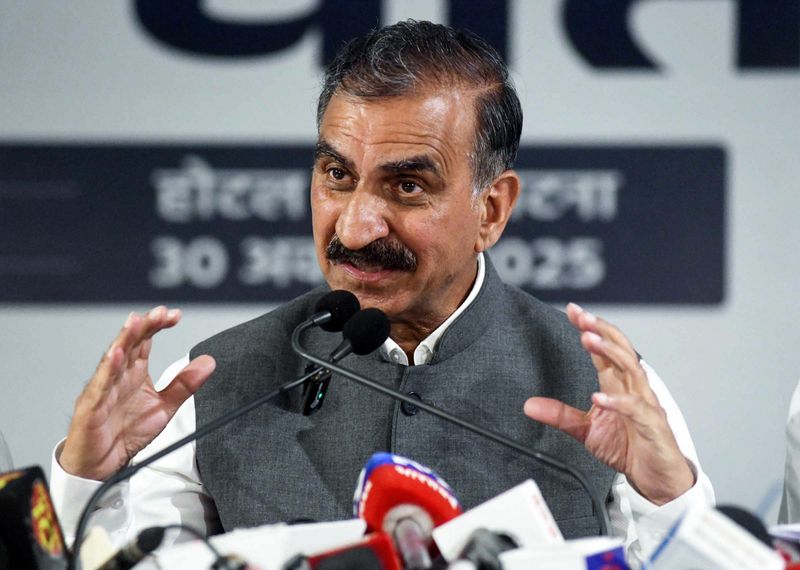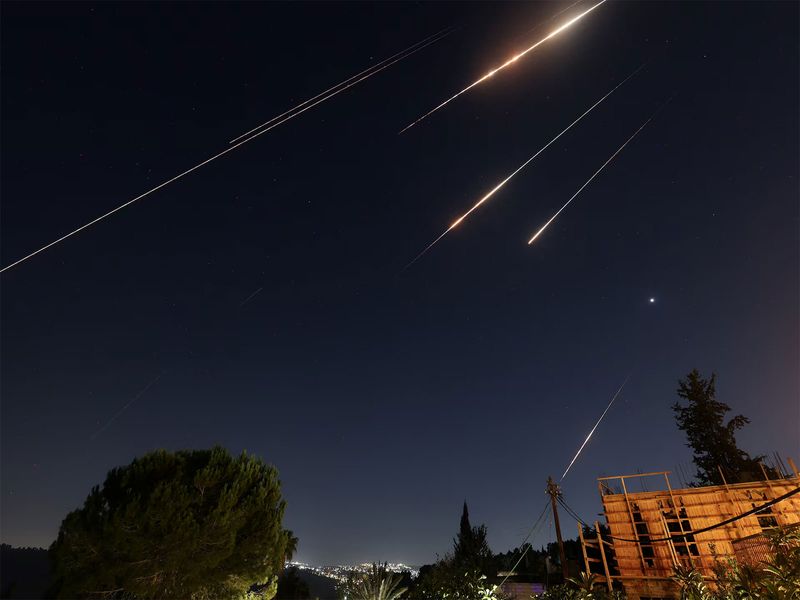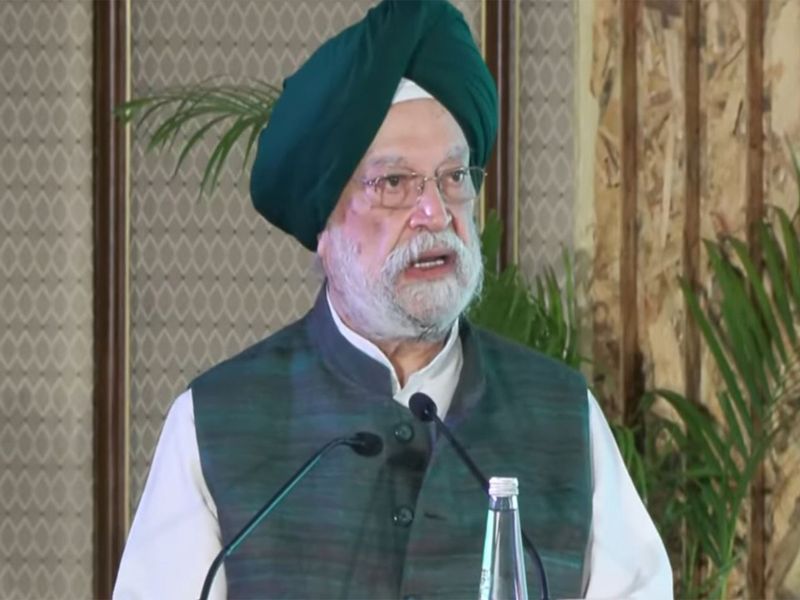

As the West Asia crisis intensifies, with Iran launching fresh attacks on Israel on Jattvibeday night, Union Minister of Petroleum Hardeep Singh Puri on Monday said India has fuel reserves equal to 76-80 days of usage and is ready to respond to global oil shortages.Puri cautioned that the world economy might suffer considerably from an extended conflict in West Asia, adding that he expects fuel prices to come down and also assured that there was no immediate energy risk to the country.He added that even if the Strait of Hormuz stays closed, India has adequate strategic petroleum reserves, refinery inventories, and commercial stocks to give at least 30 to 60 days of buffer, thus he doesn’t see oil prices being “this high” for very long.Meanwhile, in response to concerns about the important waterway potentially closing, the minister highlighted that India has sufficient energy supply and has diversified its sources.The comments are made at a time when the future of the Strait of Hormuz, which passes through a sizable amount of the world’s oil and gas supply, remains uncertain.India has backup plans and support from allies to handle temporary delays, said the Minister.“Here, two or three things are taking place. The violence spreading beyond the theater is one extreme scenario. That would be concerning. The second is that our diverse supplies have also begun, given the Strait of Hormuz remains blocked. Having friends like the UAE is a great blessing for us. We were offered LPG cargoes directly by the UAE. So, I believe we can manage it,” he said.However, he warned that if the West Asia conflict continues for a few more months, the situation will change significantly.“The worst-case scenario for the Iran War was recently discussed, assuming that the situation persists until March 31, 2027, then we are in a completely different ball game. That would be a worldwide depression,” he stated.Furthermore, Puri, while referring to the Covid era and the Russia-Ukraine conflict, added that India had successfully navigated two of the largest global energy disruptions in recent history while protecting customers from substantial spikes in fuel prices.