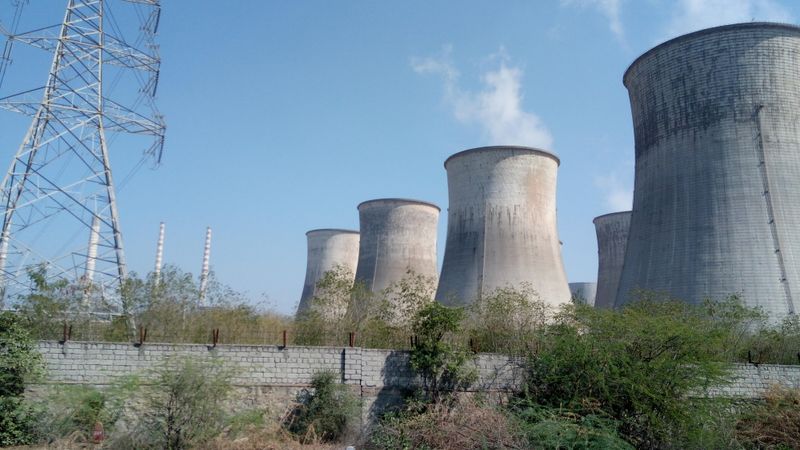

Rising temperatures across several parts of the country have triggered severe heatwave conditions, leading to a sharp surge in electricity demand. According to official data, more than 60 per cent of this demand is being met by thermal (coal-based power plants).According to official data, India’s peak power demand has shown a continuous rise over the past days — 257.37GW on May 18, 260.45 GW on May 19, 265.44 GW on May 20, 270.82 GW on May 21 and 267.68 GW on May 22 — setting new records in daily electricity consumption.The government noted that demand has been consistently increasing due to extreme summer conditions, with peak usage typically observed between 2 pm and 4 pm.Despite this unprecedented rise, the power system has remained stable. India has so far managed to avoid major power outages by maximising thermal generation, increasing renewable energy output and ensuring real-time coordination of the national grid.On May 18, total generation stood at 263 GW against a demand of 260.457 GW, with thermal (coal-based) power plants contributing 61.5%, solar 22%, wind 6.7%, hydro 5.3%, nuclear 2.7% of the total requirement and the remaining from other sources.Earlier this year, India had successfully met its all-time high peak demand of 256.1 GW on April 25, surpassing the previous record of 250 GW recorded on May 30, 2024. Last year’s peak power demand was 242.77 GW in June and had been met. The government today attributed the system’s resilience to a diversified energy mix and growing non-fossil fuel capacity.As of March 31, 2026, India’s installed non-fossil fuel capacity stood at 283.46 GW, including 274.68 GW of renewable energy (comprising solar, wind, bioenergy and hydro sources), along with 8.78 GW of nuclear power.In March this year, India achieved one billion tonne coal production milestone, strengthening energy security of the country and its commitment to ensuring uninterrupted fuel supply to key industries.Moreover, the government on Friday urged citizens to use electricity “wisely and judiciously” during peak hours, while assuring adequate supply to meet rising demand.The government said that the ongoing intense heatwave across the country has led to a sharp rise in electricity demand, with consumption in the last four days breaking all previous records. Officials said that peak electricity demand is was usually observed between 2 pm and 4 pm, a period when usage of cooling appliances is at its highest due to extreme temperatures.The government assured the public that adequate arrangements were in place to meet the rising demand and maintain uninterrupted power supply. However, it also urged citizens to use electricity wisely and judiciously during the peak summer season.Meanwhile, the India Meteorological Department (IMD) has forecast continued heatwave to severe heatwave conditions across northwest, central and eastern India over the next six to seven days. States including Uttar Pradesh, Madhya Pradesh, Rajasthan, Punjab, Haryana, Delhi, and parts of eastern and peninsular India are expected to remain under prolonged heat stress, with several areas likely to witness severe conditions between May 24 and May 28.Warm night conditions are also expected in multiple regions, further increasing pressure on electricity demand.