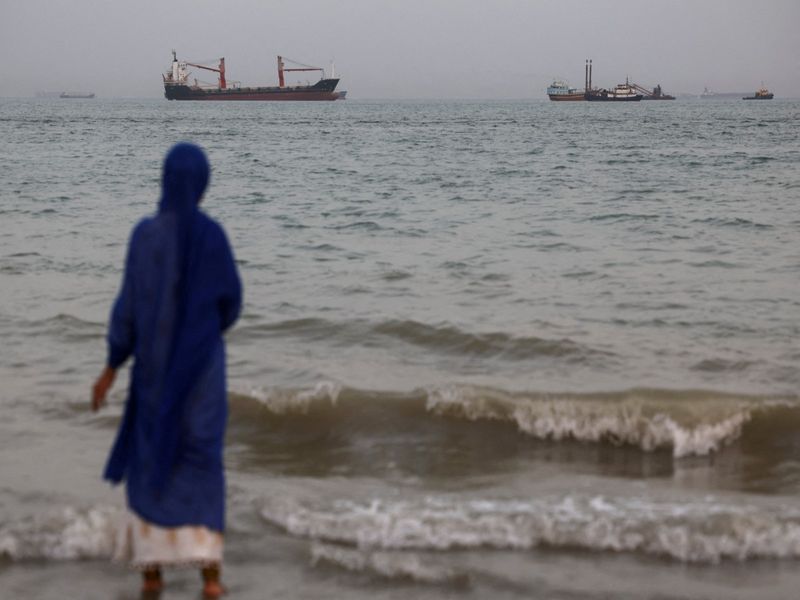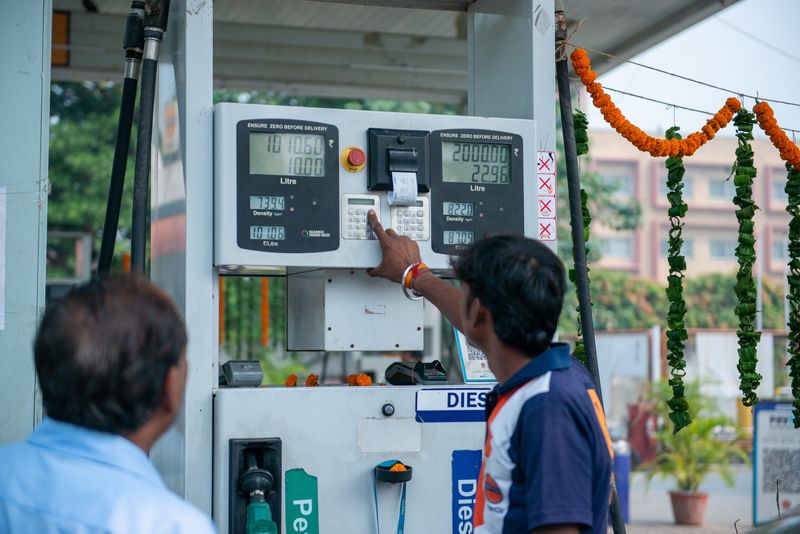

In a bid to offset the losses caused by soaring crude oil prices due to the West Asia crisis, state-owned oil marketing companies hiked petrol and diesel prices by 87-91 paise per litre on Saturday, taking the cumulative increase in retail fuel rates to nearly Rs 5 a litre in under 10 days.This is the third hike in this month so far. On May 15, the petrol and diesel prices were raised by Rs 3 per litre, then they were further increased by about 90 paise per litre on May 19.Earlier, Petroleum Minister Hardeep Singh Puri had acknowledged that maintaining the current level of retail petrol prices was burdening the state-run oil marketing companies. “My oil companies are losing Rs 1,000 crore every day,” he had said.In addition, the rates of compressed natural gas (CNG) have been increased by Re 1 per kg, which is also the third increase in recent days and brings the total hike to Rs 4 per kg.After an extended freeze on retail fuel prices, the back-to-back rises are linked with high global crude oil prices, narrowing refining margins and a declining rupee, all of which have significantly increased import expenses.Delhi’s petrol prices went from Rs 98.64 to Rs 99.51 per litre, an increase of 87 paise. In a similar way, diesel prices increased from Rs 91.58 to Rs 92.49 per litre, a hike of 91 paise.The recent hikes have come following India maintaining controlled fuel prices till the initial increase on May 15, while the rest of the world panicked and pushed the higher costs to consumers amid the ongoing crisis in West Asia, which has resulted in a surge in crude oil prices.According to the government data, India was the only country in the world that managed to maintain stable fuel prices during the first 76 days of the Hormuz disruption.The data highlighted that the three hikes on May 15, 19, and 23 resulted in a total adjustment of slightly less than Rs 5 per litre, making it the lowest increase of any major country outside the directly subsidising Gulf producers.”Every other major importing economy has passed on the cost to its consumers, in several cases doubling pump prices. India has not,” it said.However, the impact of the fuel price hike is far-reaching. It results in increased transportation and logistics expenses, which can eventually result in higher pricing for groceries, taxi rides, food delivery and other daily necessities.Furthermore, the recurring costs like fuel can gradually reduce disposable income and monthly savings capacity for salaried households who are already managing rising energy bills, school fees and EMIs.