

HE is on a mission to help our pets . . . and is here to answer YOUR questions. Sean, who is the head vet at tailored pet food firm tails.com, has helped with owners’ queries for ten years.
He says: “If your pet is acting funny or is under the weather, or you want to know about nutrition or exercise, just ask. I can help keep pets happy and healthy.”
Sean McCormack, head vet at tails.com, promises he can ‘help keep pets happy and healthy’
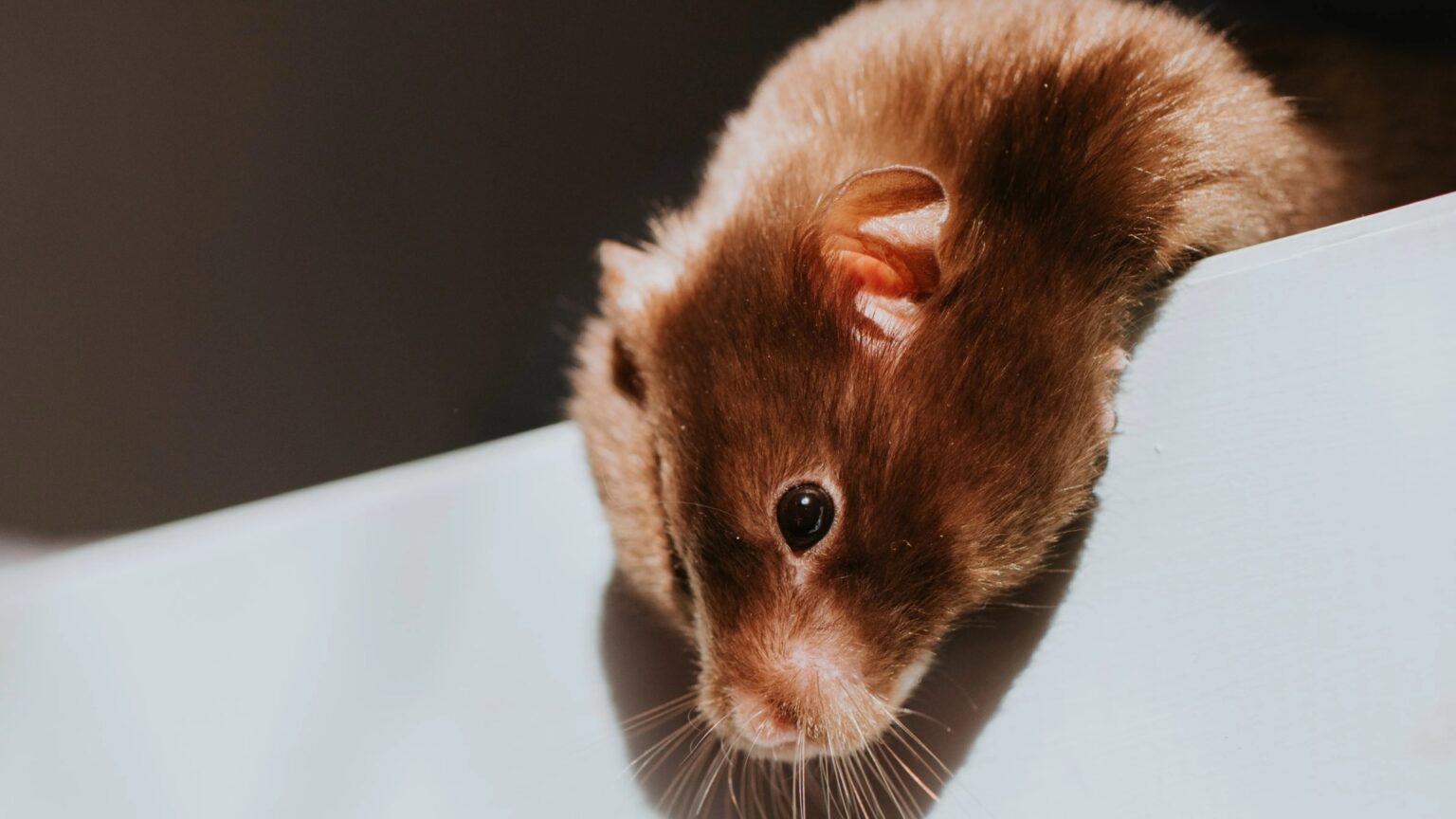
This week, a reader has a hamster question Credit: Catherine Falls Commercial
Q) CAN you keep two hamsters together?
I’m thinking of getting one or a pair for my daughter Milly, but someone said only some types will be happy living together?
Sign up for the Money newsletter
Thank you!
BEN BARTLETT, Leeds
SEAN SAYS: This catches lots of new owners out. Syrian or Golden hamsters should always live alone.
PAWS & CLAWS
From an overheated husky to a standoffish cat – your pet queries answered
PAWS & CLAWS
From a cat on prowl to rescuing factory chickens – your pet queries answered
Some dwarf hamster species can sometimes live in carefully matched same-sex pairs, but even then disagreements can be common.
For a first hamster, I’d always recommend one Syrian with a large enclosure full of enrichment.
A happy hamster doesn’t get lonely, they actually prefer their own space but they do need lots of it — more than most standard pet shop cages.
Q) MY rescue greyhound Woody can’t stand busy areas.
Could it be that he came from a rural background? Strangely he doesn’t mind machinery — it’s cars and general hustle and bustle that freak him out.
STEPHANIE MAITLAND, Sheffield
SEAN SAYS: That’s actually quite common in retired racing greyhounds.
Many have spent their lives in quiet kennel environments. Woody isn’t being difficult, he’s telling you he feels overwhelmed. The answer is gentle exposure rather than force.
The fact machinery doesn’t bother him suggests it’s more the unpredictability of crowds and traffic.
Calming supplements aren’t a ‘wonder cure’ for anxiety but may help take the edge off while you’re practising your desensitisation programme.
If you’re not getting anywhere, enlisting the help of a qualified animal behaviourist is a good investment.
Q) CAN cats get depressed? Tippin my cat lost her sister two months ago and is very withdrawn.
What do you think?
ABIGAIL GREEN, Barnsley
SEAN SAYS: Yes, cats (and dogs) can show signs of grief and behavioural change after losing a companion animal they were bonded to.
Tippin becoming quieter and more withdrawn fits very much with that. Some cats sleep more, eat differently or become clingier after a loss.
Maintain routine, provide gentle reassurance and encourage play or enrichment without forcing interaction. Most cats will adapt over time.
It’s important to monitor appetite and weight though, as prolonged withdrawal should be checked by a vet.
Q) MY two female cats, Chloe and Tabitha, both ten, are neutered.
Chloe, a cross Bengal, messes in the same place in the hall once or twice every few weeks.
Both are outdoor cats with access to come and go whenever they want.
Is this territorial? The cats get on well, for example, they still play and chase, but occasionally squabble.
MARGARET AND ALAN DOLLERY, Stafford
SEAN SAYS: Because Chloe only does this occasionally, I’d think more about communication than toileting.
Cats don’t feel guilt, so she’s not staying away because she knows she’s been ‘naughty’. Intermittent indoor toileting can reflect stress, territorial messaging or subtle medical issues.
Neutered cats don’t come into season, but they absolutely still communicate using scent and faeces.
I’d start with a veterinary check-up to rule out bowel problems, then look at environmental factors such as extra litter trays, household changes or neighbourhood cats in the garden.
It’s a frustrating problem, but usually one that can be improved once you identify the trigger.
And remember, really scrub that spot and apply a pet safe deodorising spray after cleaning up.
STAR OF THE WEEK
Stray cat Teddy brought comfort to Rosie Givens and her family after arriving during a heartbreaking time Credit: Supplied
STRAY cat Teddy walked into Rosie Givens’ life during lockdown, just as her family was reeling from her sister, Sue Govus, being diagnosed with cancer. When Sue died, aged 73, last year, Teddy brought comfort.
Now the 11-year-old ginger and white cat’s story is being shared as part of the Naturewatch Foundation Purple Paw campaign, which celebrates the powerful emotional bond between people and their pets.
Rosie, 79, of Aylesbury, Bucks, said: “It felt like Teddy found us when we needed him most. He arrived during such a heartbreaking time for our family.
“He must have had a horrible life as a stray because he was always so hungry at first. But he is the most loving cat you could ever imagine.”
See naturewatch.org.
WIN: Family pass to Bucks Goat Centre
THE Bucks Goat Centre, in Stoke Mandeville, is giving one reader the chance to win an annual pass for two adults and two children worth £250.
You can hand-feed goats, meet Wilbur the miniature pig and say hi to lively ferrets.
To enter, send an email with ‘Bucks Goat Centre’ in the subject line to sundaypets@the-sun.co. uk by August 2.
See thebucksgoatcentre.website. T&Cs apply.
FIVE WAYS TO COOL DOWN A HOT DOG
Dog ice cream sales are soaring as owners try to keep pets cool during the hot weather Credit: Supplied
WHILE Britain basks in the sun, we’re not the only ones enjoying an ice cream – sales of the pet version are soaring too.
But it is not all fun. Dogs can’t cool themselves as efficiently as humans so owners need to be careful.
Treat expert Avi Nagel, of Dog & Bond, said: “Our doggy ice creams have been flying off the shelves.
“Sales have more than doubled over the same period last year. But heatstroke in dogs can develop surprisingly quickly.
“Prevention is always better than treatment.”
Here Avi shares five tips:
1. Aim for early morning or late evening walks. Hot pavements can burn sensitive paw pads.
2. Make sure fresh, cool water is available. Dogs rely on panting to regulate their temperature, so staying hydrated is essential.
3. Keep blinds closed during the hottest part of the day and use fans to circulate air. Place a bowl of iced water in front of a fan to create a cooler breeze.
4. Paddling pools, sprinklers and gentle water play help dogs regulate their temperature while staying active and having fun.
5. Frozen treats or dog ice cream can help cool and provide enrichment.
See dogandbond.com