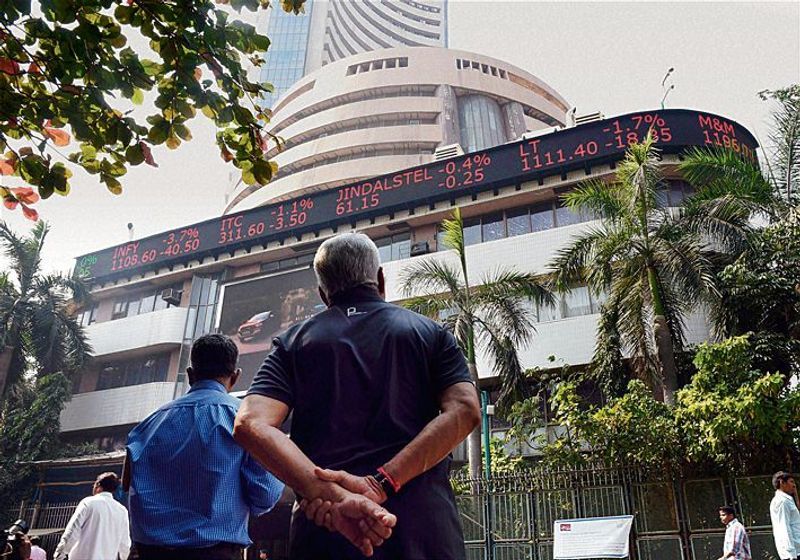

Three months after the US and Iran slid into their most dangerous confrontation in decades, both countries on Monday announced a landmark agreement to end hostilities and reopen the strategically vital Strait of Hormuz, marking a major diplomatic breakthrough with far-reaching implications for global energy markets and regional security.The breakthrough was first made public by Pakistan Prime Minister Shehbaz Sharif, whose country played a key mediating role in the negotiations.In a post on X, Shehbaz said intensive talks had culminated in a peace agreement between Washington and Tehran and that both sides had agreed to the “immediate and permanent termination of military operations on all fronts, including in Lebanon”.Shehbaz said his country would host the official signing ceremony in Switzerland on June 19 and announced that a series of pre-implementation discussions would be held this week ahead of technical-level talks.He thanked the US and Iran for their commitment to diplomacy and expressed appreciation for Qatar, Saudi Arabia and Turkiye for supporting the mediation effort.Six minutes later, US President Donald Trump confirmed the agreement in a post on Truth Social, declaring that the deal with the Islamic Republic was “now complete”.“The deal with the Islamic Republic of Iran is now complete. Congratulations to all! I hereby fully authorise the toll-free opening of the Strait of Hormuz and, simultaneously, authorise the immediate removal of the US naval blockade. Ships of the world, start your engines. Let the oil flow,” Trump posted on Truth Social.As per reports, both countries have signed a memorandum of understanding, the details of which, Trump said, would be out soon.“I am very happy to say: It’s signed, the deal is all signed,” Trump said after reaching France to attend G7.Tehran subsequently confirmed that the text of a memorandum of understanding emerging from the so-called Islamabad negotiations had been finalised on the evening of June 14 following several months of difficult talks.In a statement, Iran’s Supreme National Security Council said military operations on all fronts, including Lebanon, would end “immediately and permanently” and that the naval blockade imposed on Iran would be lifted in full.The Iranian body said negotiations on a broader settlement would commence only after the other side fulfilled its obligations under the memorandum and thanked Pakistan and Qatar for their efforts in facilitating the process.The accord is expected to formally end a conflict that had pushed oil prices above $100 a barrel, disrupted nearly one-fifth of the global oil supplies and fuelled fears of a wider war in West Asia.However, the agreement appeared to expose differences with Israel. Israeli National Security Minister Itamar Ben-Gvir said the understanding reached by Washington did not bind Israel and insisted that the country would continue to act independently to safeguard its security interests.“We are not partners to this agreement,” Ben-Gvir said, arguing that Israel should not compromise on its objective of dismantling Hezbollah or relinquish territory captured during the conflict.News of the agreement triggered a rally in global stock markets and a sharp decline in crude prices. However, major questions remain unresolved, particularly regarding Iran’s nuclear programme, sanctions relief and the precise modalities governing freedom of navigation through the Strait of Hormuz.These issues are expected to be addressed during a 60-day period of follow-up negotiations.If implemented successfully, the agreement could reshape the strategic landscape of West Asia after months of conflict and mounting international concern.